

























































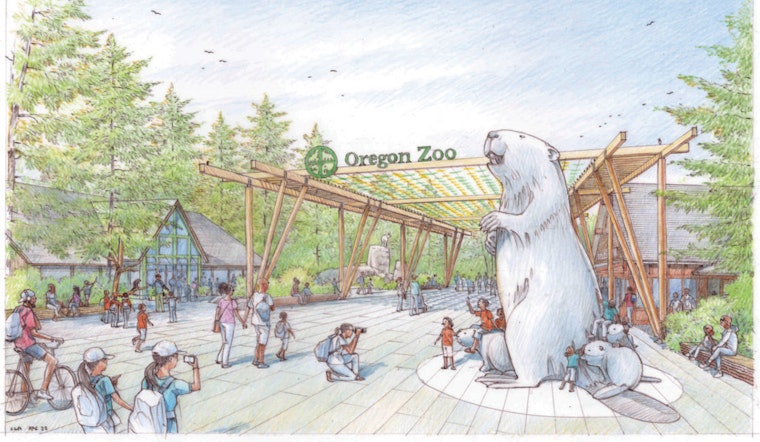
The venerable Oregon Zoo, a staple for wildlife enthusiasts and conservation efforts, is looking at a major revamp – and it's not just for the sake of sprucing up the place. With a history dating back to 1888, the zoo's longevity has been underscored, by evolving into a prominent player in the preservation of endangered species. Recently, Oregon Zoo honchos broadcasted their master plan that promises to haul the zoo into the future with enhancements aimed at its animal residents, visiting humans, and the larger ecological canvas.
Director Heidi Rahn spotlighted the critical strides made since the 2008 bond measure, which significantly transformed about 40% of the zoo. "The 2008 bond measure was transformative," Rahn emphasized in an interview. Commending the community's rallying cry and financial backing, Rahn also pointed out the obsolete habitats that hail from as far back as the '50s and lingering barriers to access. However, there's much to be done – or so says Rahn, "We have a lot to be proud of, but at the same time, we know there is much more we can do — for our animals, for our guests and for our environment," according to Oregon Metro.
Blueprints of the new campus layout, still under evaluation for a spring 2024 adoption, are brimming with aspiration. This time, the crosshairs are trained on overhauling geriatric animal zones untouched by the 2008 bond, ramping up guest amenities, and taking a staunch stance on climate action. In a declaration of intent, Rahn tells Oregon Metro, "Our aim with this plan is to create a physical manifestation of our mission — a tangible representation of who we are."
Cheered on by the Metro Council, the plan vaulted over a key hurdle with boots-on-the-ground input from stakeholders and the public, including a unanimous nod in October. With Councilor Christine Lewis pointing out the zoo's aversion to a theme park-esque sponsorship-overload, "I think something special about the Oregon Zoo is that we have made a public commitment to funding it for the members and residents of our region, for visitors, without that kind of reliance." Lewis said, as per Oregon Metro.





