

























































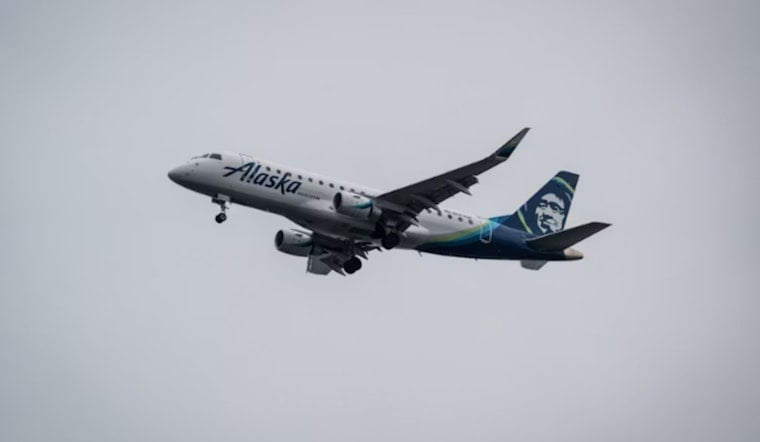
A San Jose-bound Alaska Airlines passenger was told to turn her Pee-wee Herman T-shirt inside out after a flight attendant said another crew member found its slogan offensive. The shirt contained no profanity, threat, or explicit imagery, and the episode involved no other passengers or cited safety concern. Alaska later apologized, and the passenger accepted.
Allison Garcia was flying from Portland to San Jose when a flight attendant asked her to cover the shirt, according to InsideFlyer. The slogan read, “I don’t need the police. I don’t need you,” a line associated with a 1985 Pee-wee Herman film. Garcia complied by turning the shirt inside out, while Alaska acknowledged the incident and said it would review crew training so employees can better distinguish cultural references from actual provocations.
Alaska’s Clothing Rules Leave Room For Interpretation
Alaska’s contract of carriage allows the airline to refuse or remove passengers who wear clothing deemed “lewd, profane, obscene, or patently offensive,” according to the carrier’s contract of carriage. The language gives crew members broad discretion, but in this case the dispute ended with a request to cover the message rather than a removal, delay, or confrontation with other travelers.
The airline apologized and said it may update its training after the incident, according to InsideFlyer’s account. Garcia accepted the apology, leaving the whole affair as a reminder that airline clothing rules can turn on a crew member’s interpretation—even when the shirt’s message is more vintage comedy than onboard menace.
A Pop-Culture Reference Mistaken For A Provocation
For travelers, the practical takeaway is less about Pee-wee than about the discretion built into airline contracts: a message that reads as harmless to one person can still trigger a challenge in a confined cabin. In Garcia’s case, Alaska’s decision to review training suggests the carrier viewed the encounter as a judgment and communication problem, not evidence that the passenger had created a safety disturbance.





