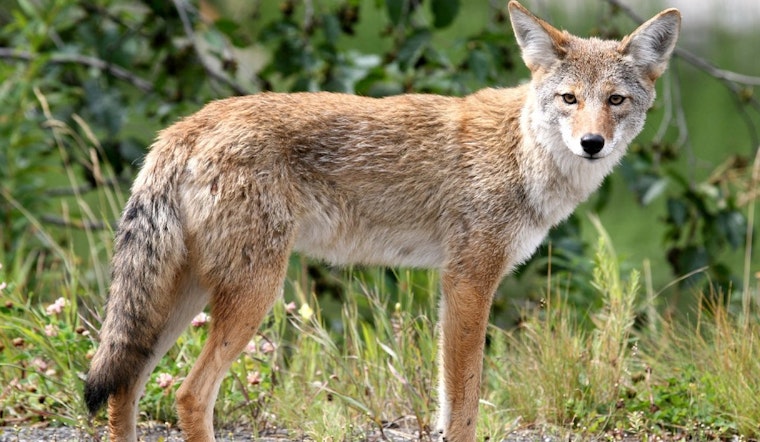
As the cold embrace of winter loosens, it ushers in the heated midst of coyote mating season across regions, from the sunbaked stretches of Tucson, AZ, to the frost-touched lands of Connecticut. Residents are urged to maintain a watchful eye, particularly over their smaller pets, through these passionate months commonly spanning from January to March.
These normally elusive canids grow bold in their fervor, and with that boldness comes an increased risk to the beloved companions of humanity—cats and dogs. Actions as innocent as a leisurely stroll with a four-legged friend can unwittingly transform into a territorial transgression, with coyotes fiercely safeguarding their domains against perceived threats. Yet, as the Tucson Wildlife Center notes, their aggression is not arbitrary - "'They're the same year-round, basically as far as aggression, and it's just protecting their territory from other coyotes'," Lisa Bates, the executive director of the center clarified in a statement obtained by ABC15.
Disturbingly, while attacks on humans are scarce, the threat to smaller animals is genuinely concerning, with a predatory gaze turning toward the unprotected pet akin to a "steak sandwich", Bates remarked in a chilling metaphor. As a cautionary tale, one Tucson resident, Gina Mascetti, recalled a heart-pounding encounter with a coyote near a street, which made a close and daring approach to her unleashed dog. In an interview with ABC15, Mascetti stated, "The other dog I had, I didn't have him on a leash, and the coyote approached him was probably about 2 1/2 feet away. It was that close." Such experiences underscore the vital importance of vigilance and physical control over pets during these vulnerable times.
Similarly, Connecticut's Department of Energy and Environmental Protection (DEEP) reinforces this narrative of caution, citing a need for heightened awareness as coyotes espouse increasingly audacious conduct near humankind and their domesticates. With dogs unleased during walks posing a significant lure to the protective parents of future pups, residents should anticipate a fanatic defense of the dens that coyotes make in March, followed by the rearing of their young in April. The DEEP detailed instances where territorial coyotes didn't just aggressively approach but outright attacked dogs across various sizes and, in harrowing cases, even went so far as to bite humans trying to shield their pets, as reported in a statement obtained by New Times.
During this period of natural passion among coyotes, further compounded by increasingly habituated behavior toward humans, the guardianship of vulnerable pets by their human counterparts must be uncompromising. Until the season of mating and pup rearing concludes, the line between a peaceful coexistence with wildlife and a perilous encounter is fine. Awareness and proactive measures, like robust fencing and supervision, stand as our best defense in the season where coyotes, driven by love and lineage, blur the margins of their world with ours.