

























































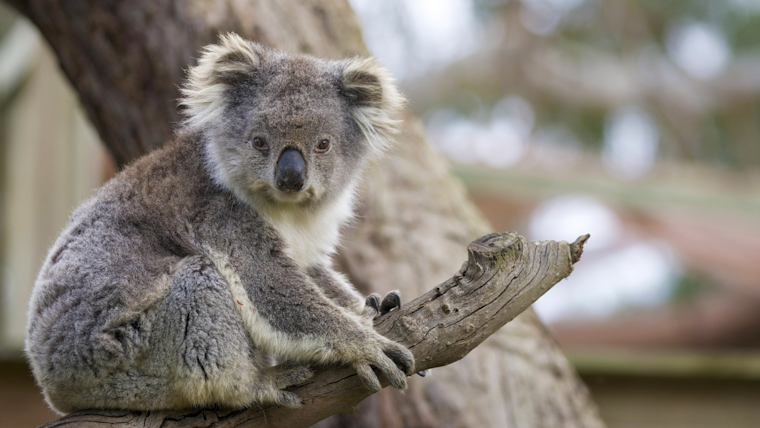
In a landmark initiative slated to bolster koala conservation, San Diego Zoo Wildlife Alliance has teamed up with genomic heavyweight Illumina to sequence the DNA of nearly 100 North American koalas. The partnership, leveraging Illumina's iConserve program, is set to spotlight the genetics underlying the species' susceptibility to a troublesome retrovirus, as the San Diego Zoo Wildlife Alliance reported. This genomic database aims to influence the fight against diseases ravaging the adorable marsupials decidedly, and it's not just local - the findings will be shared globally, paving the way for better-informed koala conservation strategies.
Koala Retrovirus (KoRV) is a nasty viral customer known to insert itself into the koala genome, bringing immunosuppression and cancer along. The alliance with Illumina means aggressively tapping into decades of preserved koala samples, which may hold the key to understanding how this virus operates and is transmitted. "Genomic sequencing of the North American koala population is a unique and impactful initiative," Cora Singleton, a senior veterinarian at San Diego Zoo Wildlife Alliance, stated, noting the project's potential to vastly improve the health and conservation outcomes for the species.
Every koala, whether lounging in the eucalyptus trees of their native habitat or under human care, is naturally hosting one or more retroviruses. For some koalas, these uninvited guests lead to serious illness. And now, biologists, ecologists, and vets across the globe are coordinating their expertise to get to the bottom of KoRV and its impact. Illumina’s partnership with the San Diego Zoo Wildlife Alliance and other notable research bodies marks a collaborative effort not often seen in the wildlife conservation arena.
Past studies may have taken a peek at wild koalas, but fell short in the ancestry and health data departments. The San Diego initiative takes it several steps further by building a sizable genomic project unique in the depth of generational and comprehensive health data it possesses. "While we have learned a lot about KoRV integrations and their impact on koala health from wild koalas, we still do not really know how KoRV is transmitted from one generation to the next," Alex D. Greenwood of the Leibniz Institute for Zoo and Wildlife Research revealed. This new endeavor is all set to bridge that gap, potentially shaping future conservation tactics to be more resilient and effective.
The San Diego crew is banking on lessons from this study to mesh with data from European koalas and a larger database from the Koala Genome Project. Such comprehensive genomic mapping has never been more critical as koalas - those fuzzy symbols of Australian wildlife – face an uphill survival battle amid threats like bushfires and habitat loss. According to the IUCN, they're vulnerable, with populations in some Australian regions shifting to an endangered status. This genomic work isn’t just an academic exercise. It’s a quest for answers that could mold the fate of a species loved the world over.



