

























































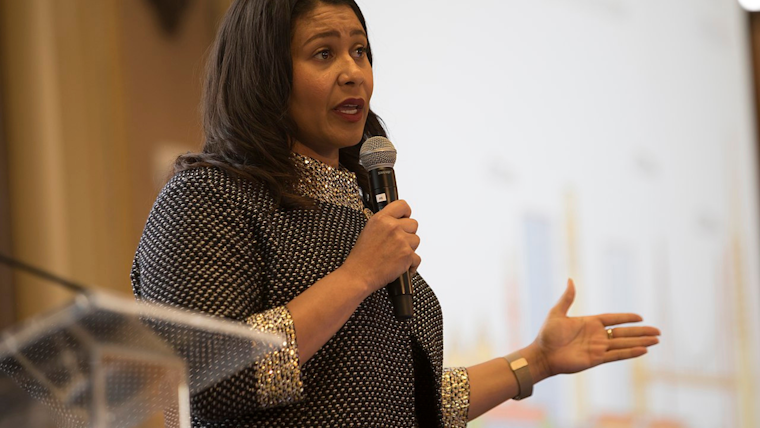
San Francisco Mayor London Breed has decided against vetoing a contentious city resolution that calls for a sustained ceasefire in the Israel-Hamas conflict, despite criticizing it for fostering divisiveness and antisemitism within her community. Breed sent a letter to the Board of Supervisors, which she shared on X, expressing her concerns about the resolution exacerbating tensions and making Jewish residents feel unsafe.
⬇️ My statement on the Board of Supervisor’s Gaza ceasefire resolution: pic.twitter.com/HrvpuYyPFo
— London Breed (@LondonBreed) January 20, 2024
In a move that has shaken up San Francisco politics, Breed opted not to sign the document, a departure from her usual stance on non-binding policy statements from the board. According to the SF Chronicle, eight of the 11 city supervisors had voted in favor of the resolution on January 9, enough to override a mayoral veto if pushed to another vote.
The mayor's office has been vocal in its criticism, with Breed stating that the supervisors are not equipped to handle complex foreign policy matters and accusing them of stoking further discord on an already sensitive subject. Her letter elaborated on the fear and intimidation Jewish residents have felt, including acts of vandalism and safety concerns.
Despite the backlash, Supervisor Dean Preston, who introduced the ceasefire resolution, welcomed the mayor's decision not to exercise her veto power. Preston told the SF Chronicle, "I appreciate the turnout, the tens of thousands of San Franciscans who took a strong stand for peace."
On the heels of the resolution, which also condemned "Antisemitic, anti-Palestinian, Islamophobic, and xenophobic rhetoric and attacks," reactions have been deeply divided. The Arab Resource and Organizing Center's Executive Director, Lara Kiswani, praised the passage of the resolution but criticized Breed for employing "dangerous, racist, well-worn anti-Arab tropes." Yet, Tyler Gregory of the Jewish Community Relations Council acknowledged the mayor's critique of the board's actions as a necessary condemnation of the antisemitic sentiment stirred by the conflict.





.jpg)