

























































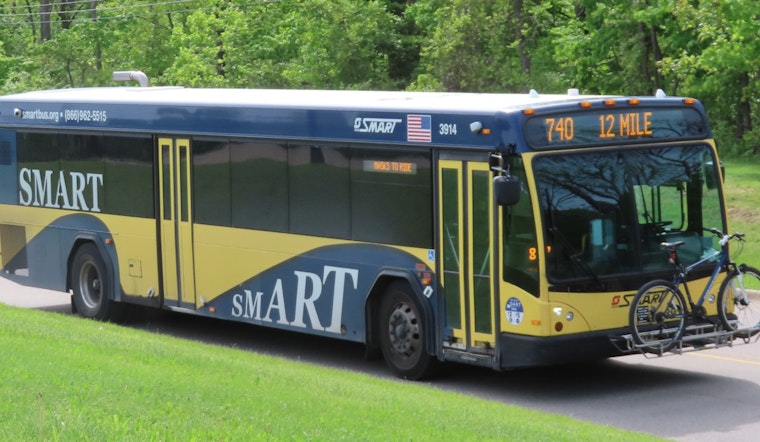
The future of public transportation in Detroit's metropolitan area is poised for a major overhaul, and the Suburban Mobility Authority for Regional Transportation (SMART) is seeking the public's input. According to a recent article by Detroit Free Press, SMART is inviting residents of Wayne, Oakland, and Macomb counties to attend a series of public meetings designed to collect feedback on the current system and ideas for future enhancements.
SMART’s "SMARTer Mobility" study aims to better connect and serve the communities within these three counties. General Manager Dwight Ferrell highlighted the agency’s mission, stating, "We're not merely seeking change; we're inviting collaboration and engagement from our riders and partners to co-create a transit system that works for everyone," as obtained by Michigan Chronicle. Some of SMART's goals include implementing microtransit services, expanding transit routes, and creating a more user-friendly mobile app.
The meetings kick off on January 23 and will continue until February 8, with opportunities for both in-person and virtual participation. Interested individuals can register for the online sessions at SMART’s dedicated website, as announced by Macomb Daily. The feedback gathered from these sessions will contribute to the development of recommendations this summer and further public hearings.
Aiming to implement changes by January 2025, SMART underscores the importance of community engagement in shaping their transit services. Harmony Lloyd, SMART's vice president of planning and innovation, noted the importance of being "thoughtful about where those zones go," in reference to the potential placement of microtransit services. This process signifies more than a simple update; it's a foundational shift towards creating a network that supports the pursuit of opportunity, connection, and livelihood for every resident of southeast Michigan, as per Detroit Free Press.
Residents have a chance to make their voices heard at various locations, including the Richmond Community Center, Novi Public Library, and Henry Ford College, among others. By taking into account the commuting preferences and priorities of its riders, SMART intends to craft a public transportation system that not only increases accessibility but also supports the economic vitality of the region.





