In a case that spotlights the U.S. government's resolve to enforce its sanctions regime, Virginia-based exporter Jalal Hajavi has been handed a two-year prison sentence for his role in a scheme to illicitly ship heavy machinery to Iran, defying American trade embargoes. Hajavi, as revealed in a Department of Justice statement, was convicted not only of conspiring to violate the International Emergency Economic Powers Act but also the Iranian Transactions and Sanctions Regulations.
U.S. Attorney Ryan K. Buchanan emphasized the severity of Hajavi's actions, stating, "Instead of heeding the warnings, he continued to divert U.S. goods to Iran." These sanctions serve as a critical facet of U.S. foreign policy, aimed to safeguard national interests—an intent flouted by Hajavi's determined efforts to openly sidestep. Hajavi's schemes, which purportedly involved his enterprise, JSH Heavy Equipment, LLC, were deemed particularly egregious by officials, in part, as Hajavi repeated his illegal conduct even after being warned explicitly about the prohibitions in place.
Assistant Attorney General Matthew G. Olsen highlighted the national security risks posed by such violations: "Mr. Hajavi illegally shipped industrial equipment to the Iranian regime... and caused a shipping company to submit false information to the U.S. government." The consequences of Hajavi's dealings, officials argue, are not confined to mere defiance of regulations, but tangibly feed into an apparatus of malign activities that threaten the U.S. and its allies.
The investigation, led by the U.S. Department of Commerce's Bureau of Industry and Security along with assistance from the FBI, uncovered details of a conspiracy wherein Hajavi routed shipments through the United Arab Emirates to obscure the final destination—Iran. Despite prior warnings, Hajavi opted to brazenly continue his illicit exports, thereby compromising the integrity of U.S. export controls, according to John Johnson, Special Agent in Charge of the Miami Field Office's Office of Export Enforcement.
Hajavi caught the attention of authorities when he orchestrated the purchase and export of an Ingersoll Rand Blasthole Drill, a piece of equipment typically used in construction applications. The fraudulent shipment, intended for Iran, was disguised as heading to the UAE, with the misleading information fed into the Automated Export System (AES)—a gov't database tracking exports from the U.S. Acting upon false pretenses, the freight forwarder involved was unwittingly complicit in violating export laws.
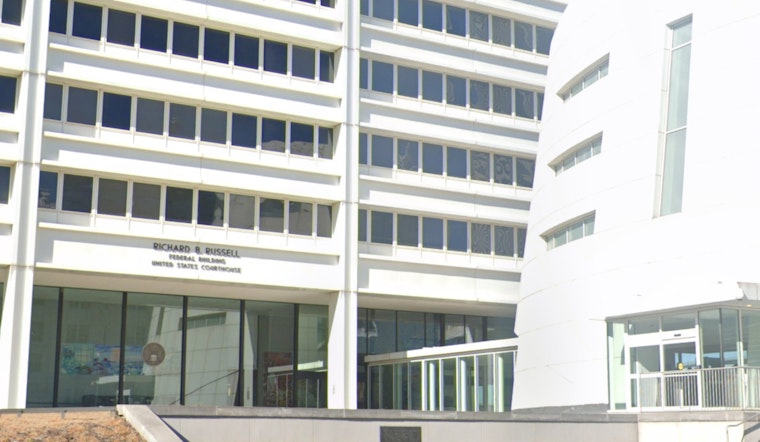
Following a jury conviction on September 11, 2023, U.S. District Judge Thomas W. Thrash handed down the sentencing to the 60-year-old convict from Sterling, Virginia. Along with imprisonment, Hajavi's sentence includes an obligation for three years of supervised release post-incarceration. The prosecution was managed by Assistant U.S. Attorney Tracia M. King and Trial Attorney Emma Dinan Ellenrieder of the National Security Division’s Counterintelligence and Export Control Section.