

























































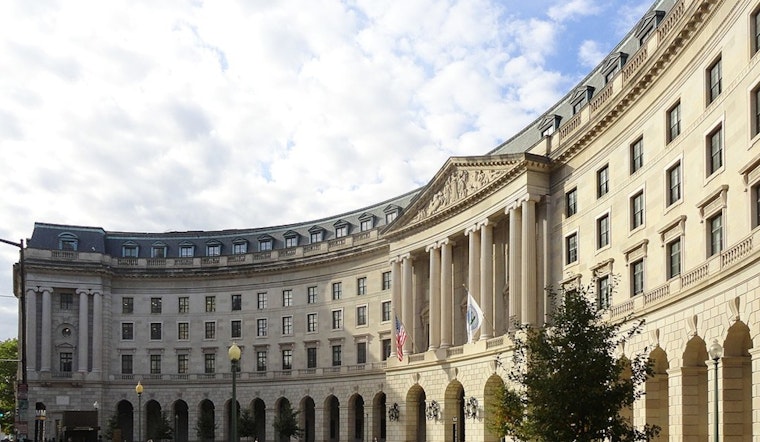
The Biden administration, through the U.S. Environmental Protection Agency (EPA), has put forward a proposal aimed at lowering the national air quality standards for soot, also referred to as PM2.5, which could lead to sweeping changes in pollution emissions across cities like Chicago. The EPA is soliciting public commentary on a potential new annual PM2.5 standard ranging from 9 to 10 micrograms per cubic meter, down from the current level of 12 micrograms per cubic meter. This push leans heavily on scientific evidence linking these fine particles to severe health issues, including asthma attacks and premature death—predominantly in vulnerable populations and overburdened communities.
Published in the Chicago Tribune, the proposed regulations could notably impact Chicago and other industrial hubs across the Midwest by necessitating cleaner factories and vehicles. According to EPA Administrator Michael S. Regan, speaking during a call with reporters, the suggested changes could result in up to $77 in health benefits for every dollar spent on pollution control measures come 2032. Aligning with Regan's sentiments, a study last year in the Annals of the American Thoracic Society linked exposure levels above 8 micrograms to over 21,000 deaths and 3,000 cases of lung cancer annually. Meanwhile, maps churned out by trade groups have painted a dire picture for most of the nation, despite evidence suggesting those gloomy projections may not be as widespread as suggested.
On the other side of the argument, industry groups, including the American Petroleum Institute and the U.S. Chamber of Commerce, are urging against the new soot standards, claiming they would prioritize foreign energy and thus harm American manufacturing and national security. In a statement reported by the Chicago Tribune, the oil industry trade group lambasted the EPA's move as "short-sighted" with no scientific basis. In contrast, organizations like Earthjustice argue that stronger regulations would bolster the economy, citing an analysis showing an 11.5% drop in annual soot levels in Chicago paired with economic growth.
Despite this, impacts on human health remain a paramount concern. Dr. Doris Browne, past president of the National Medical Association, stressed in the EPA's statement that by strengthening air quality standards, "we can ensure healthier, more sustainable communities across this country." Hailing the proposal, she acknowledged the disproportionate effect PM pollution has on Black and brown communities. The EPA's assessment suggests that the newer, stringent regulations if enacted, could prevent up to 4,200 premature deaths and account for as much as $43 billion in net health benefits by 2032.
The agency plans to finalize the updated standards later this year after reviewing public feedback. During the 60-day public comment period post-publication in the Federal Register, EPA will also host virtual public hearings to solicit additional input, as mentioned in their announcement. The comprehensive review process, mandated by the Clean Air Act, serves to balance environmental protection with economic interests as the nation seeks to enhance the well-being of all citizens, particularly those in marginalized communities.





