

























































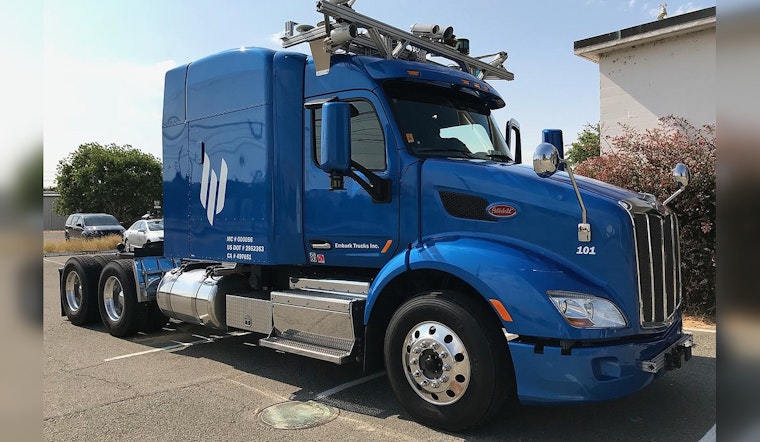
Central Texas is spearheading a high-tech movement on its highways, pushing the envelope with autonomous 18-wheelers that could reshape the trucking industry. A pilot program led by the Texas Department of Transportation (TxDOT) is installing a "smart freight corridor" on State Highway 130, where sensors and cameras will spill the beans about real-time road conditions directly to self-driving semi-trucks — tech that might cut down on accidents and save lives.
Riding on the tailcoats of innovation, the section of SH 130 stretching from Georgetown to Del Valle has been fitted with equipment nearly every 650 feet to ensure autonomous semis get the lowdown on anything from stalled vehicles to road debris. TxDOT's Austin deputy district engineer, Mike Arellano, emphasized the crucial nature of the project, telling KXAN, "That's kind of like the last frontier." Arellano reveals the goal — to provide trucks with advanced notice about road conditions so they can adjust accordingly.
Despite concerns from Lewie Pugh of the Owner-Operator Independent Drivers Association, who called Texans "guinea pigs" in a statement obtained by KXAN, and worries about the precision of road info, big players in trucking have already given the nod to Texas' high-tech corridor. John Esparza, president of the Texas Trucking Association, hailed the project as a stride toward greater safety for all Texans.
The brains behind the operation, Cavnue — a startup out of Washington D.C., is rolling up its sleeves to install the high-tech gear over the next few months. CEO Tyler Duvall likened the initiative to aviation's air traffic control system, "You've got incredibly sophisticated aircraft, but they would never fly without an air traffic control function," he pointed out in a discussion with Austin American Statesman. Building on this analogy, Duvall described the corridor's role in feeding autonomous trucks critical traffic and road condition data.
Some local veterans of the road, such as Kodiak Robotics and Aurora Innovation, have been trialing driverless big rigs in Texas since 2019 and 2020, respectively, always with safety drivers in tow. These companies forecast removing the safety net and going completely driverless on Interstate 45 before the curtain falls on the year, as they disclosed to KXAN.
However, TxDOT isn't rushing to flip the switch on the smart corridor. A deliberate, inch-by-inch approach is preferred, with the goal of zero fatalities firmly in their sights. The agency plans to evaluate the technology thoroughly before deploying it on a wider scale, ensuring the dream of self-driving semis doesn't turn into a public safety nightmare.





.jpg)