

























































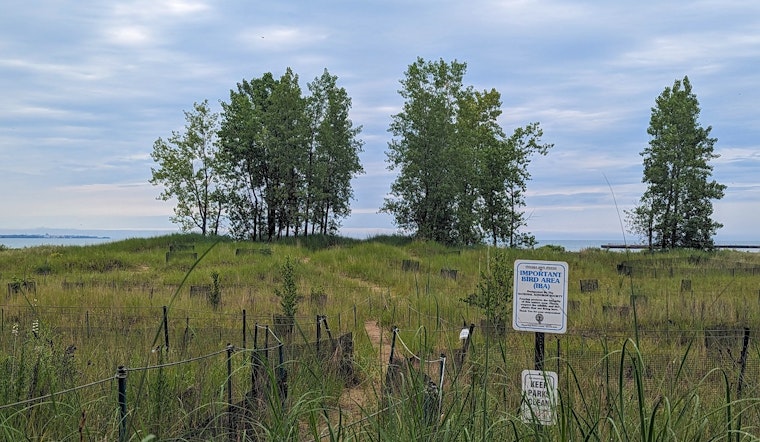
In a move celebrating conservation and avian affection, the Chicago Park District has renamed an expanded section of Montrose Dune Natural Area to "Monty and Rose Wildlife Habitat." The district honored Monty and Rose, a pair of Great Lakes Piping Plovers whose love story and survival ignited a collective birdwatching passion in Chicago, as reported by the Chicago Sun-Times.
The addition, which is 3.1 acres, saw its name change approved last Valentine’s Day. According to the Chicago Bird Alliance, the gesture pays homage to Monty and Rose, who nested at the site for consecutive years and became symbols of hope during the pandemic. Tragically passing away in 2022, the couple's legacy is now eternally engraved in Chicago’s natural heritage landscape.
Monty and Rose's story was more than a fleeting moment of ecological inspiration; it sparked a larger conversation about shared spaces and wildlife cohabitation. "It’s just really getting people to understand that we have to create ways for us to share those spaces and not create more and more areas where those birds and wildlife can’t be," Matt Igleski, executive director of the Chicago Bird Alliance, explained in a statement obtained by the Chicago Sun-Times. The Great Lakes Piping Plovers, being federally endangered, make establishing such habitats crucial for the species' survival.
Following in their parents' tracks, their offspring, including Imani, have returned to the same shores. According to a Chicago Bird Alliance interview, Imani has been sighted in the past years at Montrose Beach in search of a mate, indicating the enduring importance of this habitat. The Park District also plans to commemorate Monty and Rose further by installing signage that tells their heartwarming story.
With the dedication of the "Monty and Rose Wildlife Habitat," the Chicago Park District emphasizes its commitment to conservation and highlighting the individuals and species playing significant roles in local ecological narratives. Monty and Rose's tale has not only charmed the city but also served as a reminder of the delicate balance between urban living and the need to foster natural spaces, which has now been transformed into a physical testament to their impact and a beacon for future conservation efforts.




