

























































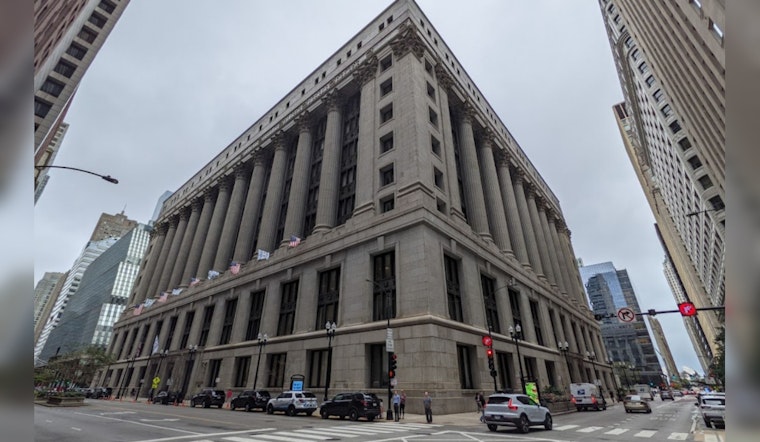
ShotSpotter, the gunshot detection system that has been the center of heated debate in Chicago, is here to stay at least for a few more months. After intense negotiations that went down to the wire, Chicago officials and ShotSpotter's operator, SoundThinking, agreed to a seven-month extension, followed by an additional two-month transition period. This move ensures the system remains operational through September 22, 2024, as reported by ABC7 Chicago.
The 11th-hour agreement was reached after initial fears that ShotSpotter services might halt as soon as midnight, provoking concerns among city leaders, particularly with the Democratic National Convention on the horizon. "ShotSpotter will continue to work in Chicago through at least late September," the company stated Friday evening, allaying the apprehension of the potential immediate disappearance of the technology which has been a source of contention within Chicago's public safety discourse. As outlined by the Chicago Tribune, the technology has sparked discussions on its efficacy and its role in community policing.
Mayor Brandon Johnson, who during his campaign pushed for the system's dismantling in favor of prevention investments, supported the extension as a necessary step. This move, he argued, will allow the Chicago Police Department time to overhaul operations and to explore new strategies. In a statement obtained by ABC7 Chicago, the city voiced a commitment to "deploy its resources on the most effective strategies and tactics proven to accelerate the current downward trend in violent crime."
Experts and community leaders have criticized ShotSpotter for its accuracy and for potentially exacerbating the issue of over-policing in certain neighborhoods. A 2021 study by the city's Office of the Inspector General found that less than one in ten ShotSpotter alerts actually revealed evidence of a gun crime. With another seven months granted for the system's use, Ald. Brian Hopkins noted the intention "to use this time to do a better job of gathering accurate data, to get a true assessment of ShotSpotter's performance," highlighting the importance of data-driven decisions in law enforcement policy.
The extension has provided notable relief to city officials such as the chairman of the city council's Public Safety Committee, according to a quote from Ald. Brian Hopkins reported by ABC7 Chicago, especially given the upcoming summer season, typically marked by an uptick in violence and the impending Democratic National Convention. Yet, community groups like the Stop ShotSpotter Coalition, who declined to comment on the contract extension when contacted by ABC7 Chicago, have long been advocating for the system's cancellation. They argue that such technologies contribute more to the problem than the solution, troubling advocates and civil libertarians alike.
Despite the uncertainty that marred the negotiation process and the standoffish approach during Mayor Johnson's news conference where he avoided direct answers about the ongoing deal, the city now has a clear path forward with ShotSpotter until a detailed transition plan is set in place. According to the Chicago Tribune, the mayor stood firm on his position that no similar gunshot detection technology would replace ShotSpotter once it's gone—a stance that speaks directly to the concerns of the activists who have been challenging the system's utility and impact on the streets of Chicago.




