

























































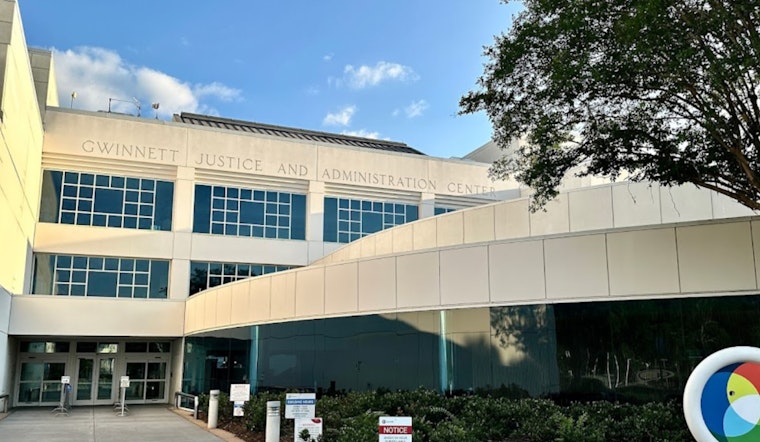
In the political tussle over Georgia's urban sprawl, Governor Brian Kemp has put the ball squarely in the court of Gwinnett County's electorate, having inked the documents that could birth the city of Mulberry. Following his signature yesterday, the question of whether the potential 17th city of the county comes into existence will be left to a vote this fall; it's a move that teed off without the burden of city property taxes but promises to net over $9 million annually from other levies, as reported FOX 5 Atlanta.
The bill that laid the groundwork for Mulberry's cityhood cruised through the state legislative chambers before the critical Crossover Day and now waits for public referendum, the proposed municipality would wrap around Braselton across a thoroughfare of roads—Ridge and Hamilton Mill roads, Braselton Highway, Auburn, and Bailey roads. Within its confines, approximately 41,000 souls could call Mulberry home drenched in the controversy sparked by Senate Bill, a defiant stance against high-density living, and a rejection of the current zoning ordinances as told by State Sen. Clint Dixon, who articulated a sense of misrepresentation among the residents, in the Senate chamber, that propelled the cityhood drive, information obtained from an 11Alive report reflects this disquiet.
Mulberry's detractors, however, echo a starkly different tune, Sen. Nikki Merritt hinted at less savory motivations behind the push for incorporation, suggesting that bigotry may be weeding its way into the garden of local politics, saying, "We’re seeing this pattern of, I don’t want it in my backyard. I don’t want those people coming in my backyard. I want to create a boundary of my own and consolidate my affluency. And I want to keep certain people out," as told to fellow senators. Such profound divisions are laying bare the rifts, with the potential creation of Mulberry emerging as much more than a mere squabble over city lines. It's the perennial debate of who gets to stake a claim in the geography of prosperity—a debate that is now left to the ballot box and the narrative of democratic choice.
The Gwinnett County Board of Commissioners has been apprehensive about this headlong rush, pressing for a more deliberate approach in a January letter, nuances that raise alarm bells over the rushed legislative timeline, potential financial upheavals, and notable "City Lite" and zoning moratorium concerns that have skirted customary due process, 11Alive also mentions these contentions, setting a stage where the fiscal forecast for the county's other cities could face turbulence in Mulberry's wake. In the partisan playhouse of the Senate, Republicans raised hands to make it so, and Democrats stood in opposition—a lineage of civic engagement now hangs in the imbalance, waiting for the voters to etch their verdict come autumn.





