

























































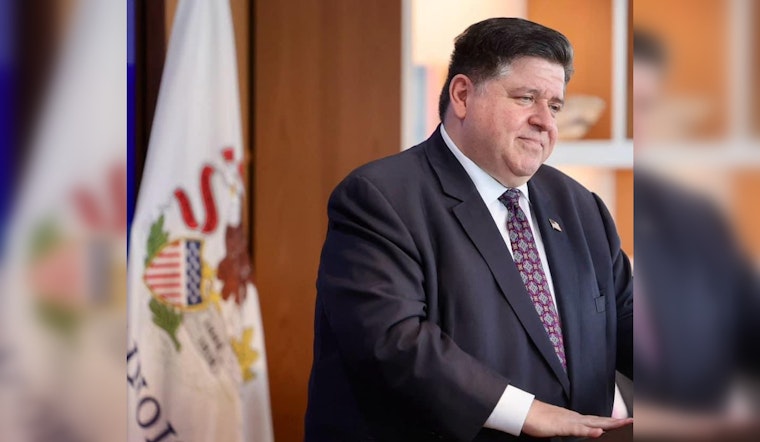
As Illinois braces for Governor J.B. Pritzker's sixth budget address, the state is wrestling with a looming $900 million shortfall against the backdrop of ever-pressing migrant crisis costs. Pritzker has already put forth plans to allocate $182 million for asylum-seekers in Chicago, as reported by the Chicago Tribune. This follows a previous diversion of $160 million from the current budget to address the same issue. His administration anticipates ending the fiscal year with a surplus but faces a tougher climate in the next with escalating pension contributions and other rising costs.
The Democratic governor is set to deliver his budget plan this Wednesday while grappling to balance mounting spending needs that include early childhood education and ongoing health care programs for noncitizens. The Governor's Office of Management and Budget projected a deficit, but also an end-of-year balance for the current fiscal year, rendering some leeway for the state's lawmakers in the upcoming budget. However, they must tread carefully; according to a report by ABC7 Chicago, this surplus also must contend with $969 million in "spending pressures," including assistance for incoming migrants.
Pritzker's budget approach has garnered mixed reactions. "We want to see a budget that prioritizes making our state a safer, more affordable place for Illinois citizens to work and live," said Senate Republican leader John Curran, underscoring that Illinois' finances should boost families and businesses rather than continue to "fund the disastrous migrant crisis created by Gov. Pritzker and Mayor (Brandon) Johnson," the Chicago Tribune reported. Democrats in the General Assembly may share concerns over budget allocations, primarily focused on ensuring a balance between the pressing needs of migrants and residents of Illinois.
In the face of these fiscal challenges, key legislators like House Republican Leader Tony McCombie express a desire to closely collaborate with the Democrats — a move that, while strategically sound, has been historically fraught with tension. "If we show our cards, everything will be excluded," McCombie told Capitol News Illinois last month, citing an expectation of exclusion should they openly share strategy. Democrats do hold a supermajority, which could allow them to push through a budget without Republican support, amplifying the stakes of Pritzker's negotiations.
Previously contentious topics such as noncitizen health care funding will possibly arise again. Despite enrollment caps and the institution of copays, these measures have not diminished the program's contentious nature among lawmakers and advocates. Education funding requests are also on the rise, with the Illinois State Board of Education and the Illinois Board of Higher Education seeking increases to support early childhood initiatives and higher education institutions, indicating the variety of significant budgeting decisions on Pritzker's docket this year.




