

























































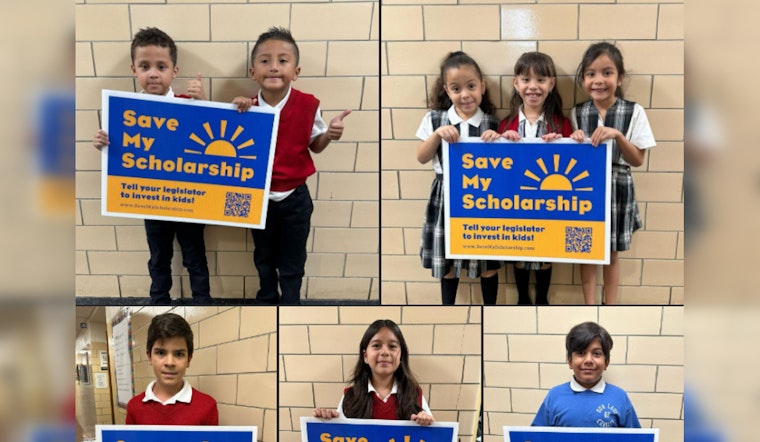
The expiration of Illinois' Invest in Kids scholarship program is setting off alarms in communities reliant on private school funding, such as those in Cicero and Berwyn where Catholic schools are shutting down due to financial woes. St. Frances of Rome School and St. Odilo School, institutions once buoyed by the program, are no more, their futures sealed by the legislative dismissal of a financial lifeline for many low-income families.
Caught directly in the crossfire are parents like Jazmin Dela Mora, who, according to a Chicago Sun-Times report, is now pondering the financial gymnastics needed to keep her children in Catholic education without the scholarship keeping the costs feasible, with one daughter already benefiting from a catholic education now at Loyola University Chicago and her son's education at stake; similar stories echoed across affected communities, the scholarship's absence a looming shadow. The program, which provided relief to nearly 9,700 students across the state last year, was supported by donations that granted donors a 75% tax credit.
Reverend Brendan Curran, involved with assisting affected schools like St. Frances, highlighted the outrage and need for continuation of such programs for the Hispanic-majority student population, as reported by WTTW News. Critics, however, maintain that Illinois' public schools are the ones truly in precarious situations, drawing attention to educational disparities that widen as funds are funneled away from them. Nayeli Burns, a public school parent in Berwyn, spoke of the dire need for resources in public schools, asserting that sending money to private institutions is detrimental to public education funding.
Amidst the controversy, both sides of the aisle are preparing for a legislative showdown, with Democrats and Republicans considering a bill to not only extend but also refocus the program on lower-income students. This revised bill, aiming to shrink the program to $50 million and cut the tax credit amount and giving cap in half, hopes to strike a balance in the age-old debate of choice versus equality in educational funding, as mothers like Eva Villalobos, with four daughters affected by the change, wait anxiously for a resolution that will allow their children to continue their education without interruption.
The narrative of promise turned to uncertainty encapsulates the larger, ongoing debate about the role of private education in a society that promises public instruction for all, a social dilemma spotlighting disparities with each passing day. As the state skirmishes over what shape future educational funding should take, families find themselves in a purgatory of policy, their children's future tied to the political wrist of fortune.





