

























































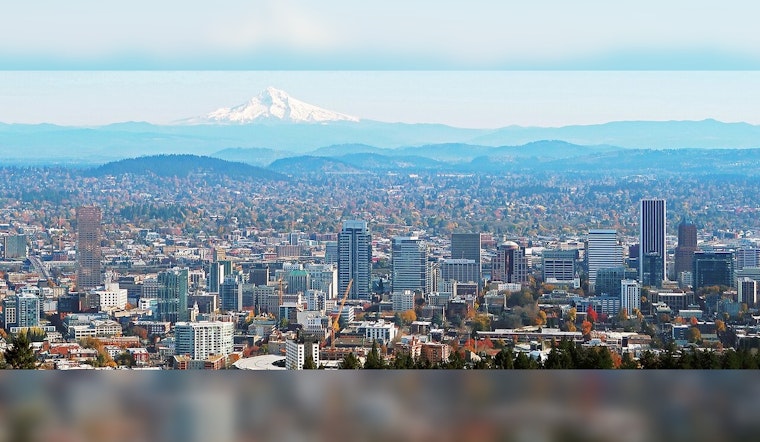
The landscape of office and residential real estate market is rapidly shifting in several large American cities, painted in stark reality by latest data and expert analyses that point toward high vacancy rates, flexible leasing terms, and economic pressures on landlords and investors alike. Central business districts once teeming with activity are grappling with an increased availability of commercial spaces as companies downsize or maintain the remote working models adopted during the pandemic. This pattern is notably seen in downtown Portland, where, according to John Gillem of CoStar Group, office vacancy rates are at their highest. As reported by the Portland Business Journal, "Weak demand should persist for some time," said Gillem.
CommercialEdge's report suggests the office sector is to continue the rough ride, with $34 billion in sales for 2023, a significant drop from the previous year. Major players like Amazon, Meta, and Zoom are instituting return-to-office mandates, albeit with a continued focus on hybrid schedules, likely avoiding fully reversing the decentralization that has taken hold. "We anticipate an acceleration of less desirable office buildings being removed from the marketplace," CommercialEdge Director Peter Kolaczynski highlighted in an interview obtained by CommercialEdge. Here, landlords retain the flexibility to accommodate changing tenant needs.
Turning the lens to the housing market, San Francisco showcases the ripple effect that cascades from commercial to residential sectors. Mosser Companies, a prominent landlord in San Francisco, has defaulted on a $88 million loan secured by several properties, spurring the sale of the non-performing loan through real estate firm Cushman and Wakefield. The San Francisco Chronicle reports that the city's rental market is facing dire straits, with multifamily home properties being exchanged as owners struggle to maintain their foothold in the face of mounting economic pressures.
In the midst of these market changes, the federal government has shown initiative, albeit without additional funding, by availing current financing programs to support the conversion of vacant office buildings into residential spaces. Yet, the effectiveness of these measures remains to be seen as the industry navigates a new reality. The high stakes of commercial real estate investment today demand an acclimatization to uncertainty, especially when navigating the turbulent waters of interest rates which, though stabilized for the moment, represent a considerable unknown for the future health of the sector.



