

























































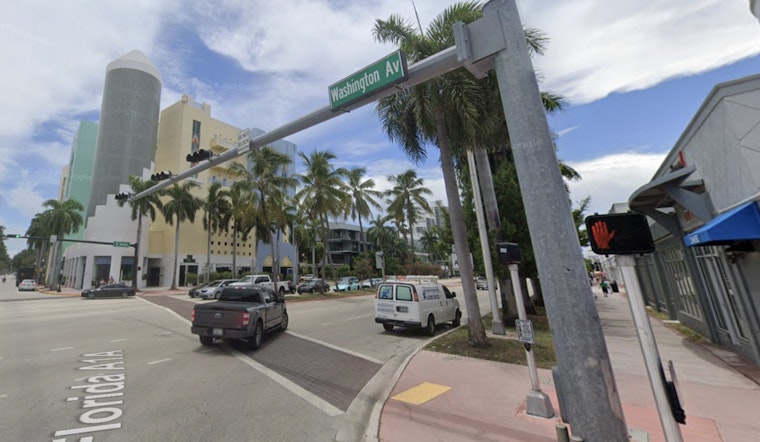
In a unanimous vote that stunned some locals and city-watchers alike, the Miami Beach City Commission has decided to shut down any extension of the Metromover to South Beach, despite the area's chronic traffic issues. This decision came amidst the pitch of a debate about the future of transportation in the popular beachfront city, as reported by BNN Breaking.
The proposed Baylink project aimed to reduce road congestion by linking downtown Miami with South Beach but faced considerable pushback from the communities that would be affected. Essentially, local businesses and residents voiced concerns over the potential for disruption, and fear of a significant alteration to the neighborhood's essence. As traffic woes persist, "Residents [feared] that the extension would infringe upon their quality of life, with increased noise, reduced privacy, and a change in the community's character," BNN Breaking reported.
Exploring other routes, the commission is now considering alternative transit options, like express bus lanes over the Julia Tuttle Causeway. The move to other possibilities follows a growing insistence on smart transportation solutions that are attuned to the will of the people and environmental needs. The City Commission's decision, although the body doesn’t have the final say on a county and state-funded project, sends a firm signal on the importance of locality in transit planning—a sentiment echoed in a Miami Herald tweet about the proceedings.
Despite this setback for the Metromover expansion, the pursuit for an empathetic and practicable mass transit system continues to be a central concern for Miami Beach leaders. The commission stands against the project, this decision not only poses the possibility for legal entanglements but, it fosters a wider conversation on how to proceed with mobility in a populous coastal city dedicated to its residents' welfare above all.




