

























































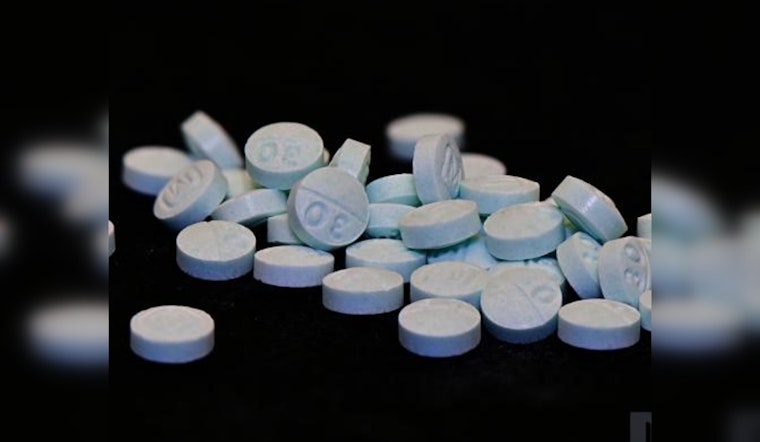
Oregon is grappling with a surge in fentanyl overdose deaths that have increased by an estimated 1,500% since before the pandemic, marking the largest such increase in the United States. A recent federal data analysis highlighted a jump from 77 overdose deaths in the 12 months ending September 2019 to a staggering 1,268 in the same period ending September 2023.
While addressing the unprecedented spike, Multnomah County Commissioner Sharon Meieran, who is also an emergency room doctor, expressed deep concern. "That is a staggering statistic," said Meieran. "I knew it was bad, but I honestly did not know it was that bad." Produced mostly in China and Mexico, fentanyl, a potent synthetic opioid, has become the grim reaper in Oregon's ongoing battle with substance abuse, with the state struggling to contain its spread and the resulting fatalities, as per OregonLive.
The dramatic rise in fentanyl deaths has pushed Oregon from being one of the states with the lowest rates to a middle-ranking, signaling a deep-seated public health crisis that continues to escalate. According to federal data, the state now ranks 17th nationally with a death rate of 30 for every 100,000 people. Illicit fentanyl, often laced with other substances, has been a significant contributor to drug-related overdoses across the nation, with users often unaware of its presence in their supply.
Treatment options remain available for those struggling with fentanyl addiction, despite criticism over the effectiveness of initiatives like Measure 110, which sought to improve access through the decriminalization of drug possession. As per a statement obtained by RV-Times, it's unclear when or if the rising tide of overdose deaths will begin to subside in Oregon, with local epidemiologists expressing uncertainty about the future trend of this crisis.





