

























































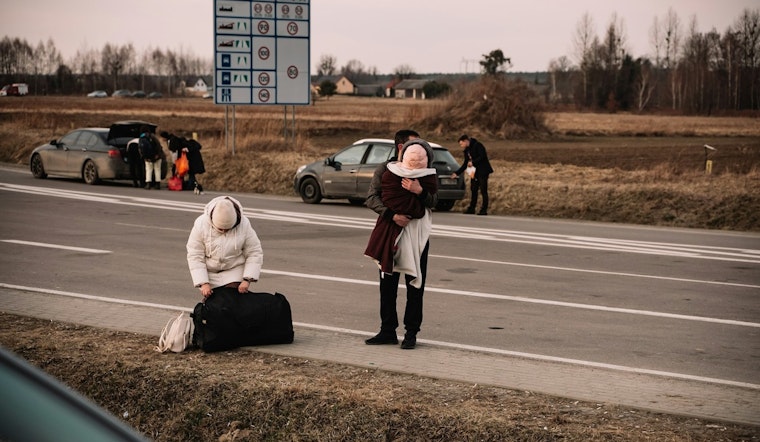
The clock is ticking for Pima County's migrant aid program as federal funds are set to dry up on March 31. This looming deadline threatens to leave many migrants without essential resources, according to a recent report by ABC15. Pima County Administrator Jan Lesher has indicated that without the federal dollars, which have sustained the county's efforts since 2019, hundreds of migrants could soon find themselves on the streets of Tucson with no place to go.
Lesher outlined the bleak scenario in the memo, anticipating a daily release of 400 to 1,000 migrants in the city post-March, with no resources at their disposal. The county had explored alternative sites for these individuals, such as the county fairgrounds and a vacant building near the jail, but the costs were prohibitive. "We’re going to have people who literally cross and have nowhere to go," Board of Supervisors Chair Adelita Grijalva told ABC15. The dilemma is worsened by the fact that funding ended for, as Grijalva believes, political reasons, and the community is on the hook for the consequences.
A similar sentiment was echoed in a report by AZ Luminaria, where Lesher detailed that without federal assistance, the Casa Alitas Welcome Center, which has aided more than 400,000 migrants over the past five years, will be forced to limit support to about 100 people per day. This will leave an additional 400 individuals per day vulnerable to being released onto Tucson's streets come April 1. "This is a crisis of the federal government’s making due to the failure to pass sensible border and immigration reform and to provide the necessary funding to local jurisdictions forced to deal with the deleterious effects of federal border policy," Lesher expressed in a memo to the Board of Supervisors.
Despite the daunting financial outlook, Democrats on the Board of Supervisors concur that the county cannot use local resources to fill the void left by federal abdication. Supervisor Steve Christy, the lone Republican on the board, chided his Democratic colleagues, suggesting the county should never have depended on federal funds for such a purpose. While the supervisors have resolved to continue lobbying federal partners for aid, some within the community have voiced their opposition to sheltering migrants, erroneously dubbing it an "illegal invasion." Meanwhile, all individuals ushered through the county's programs have been processed legally, with the right to seek asylum in the country further emphasized by AZ Luminaria.
In the run-up to the expiration of these crucial funds, Pima County officials have been sounding the alarm, hoping for a last-minute federal reprieve that has yet to materialize. The bipartisan immigration bill that included a lifeline of $1 billion for the Supplemental Shelter Program hit a dead-end in the Senate. With elections looming, border security and migration are becoming increasingly critical issues for Arizona voters. As the community braces for the impact of federal inaction, District 1 Supervisor Rex Scott lamented the predicament, according to AZ Luminaria, "This entire region is going to be incredibly affected by a failure of federal leadership."




