

























































Chicago's bold moves to address economic insecurity just got a reality check as a new report criticizes Cook County's experimental neighborhood courts, recommending intense reforms before any further expansion. The Chicago Appleseed Center for Fair Courts and the Chicago Council of Lawyers, in their cutting critique, suggest these courts need more than just a slap on the wrist if they're to truly align with restorative justice principles, as detailed by the Chicago Tribune.
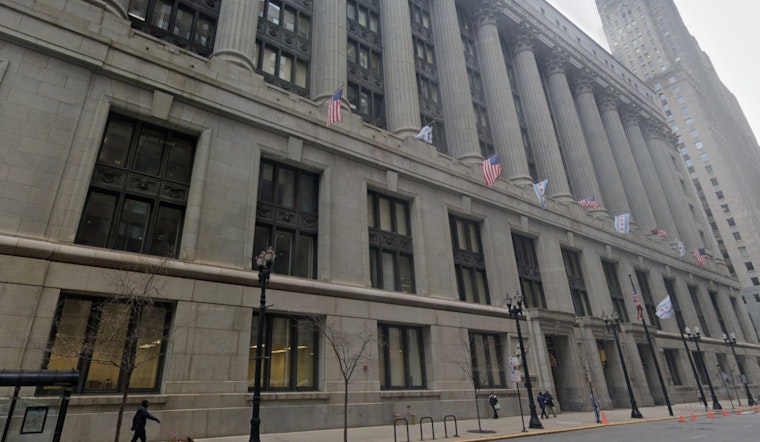
Despite setting an example for the humane treatment of defendants, the court's community oversight is practically non-existent, onerous requirements bog down participants, and a lack of clear communication mars the program's effectiveness, the report from last January faults the current setup, which has three restorative justice courts diverting defendants from the standard justice meted out at the bustling Leighton Criminal Court Building; their success marked by reduced recidivism rates and gearing toward expunging records upon completion. The Cook County Chief Judge's office, aiming to balance the scales, has shown receptivity to the report's findings and is no stranger to collaborative efforts for improved alternatives to the traditional court process. "I think they right now are serving an important role in reducing the harm of the legal system on people," Naomi Johnson, a researcher and author of the study, told the Chicago Tribune, even as she pushed for "considerable reform."
Meanwhile, Clarence Shaffer, a security contractor from suburban Cook County, is a testament to the county's other valiant struggle against economic inequity: the Cook County Promise Guaranteed Income Pilot program, which has been pumping $500 monthly into the pockets of low-income households. Shaffer, who made the cut last December, uses the no-strings-attached dough for insurance payments, a financial life vest when his sporadic job leaves him sinking, the Basic Income Today reported. This economic booster shot is part of a wider campaign to wrestle down poverty rates which, despite a rollercoaster of decline and resurgence over the decades, have remained a stubborn foe.
Chicago Mayor Brandon Johnson isn't sitting on his hands either, implementing policies like ending subminimum wage for tipped workers, backing paid leave policies, and flirting with the idea of a municipally owned grocery store, he's taking a sturdier stand; the Economic Security Project is all in, helping brainstorm ways to feed the financially starved and close the wealth gap - considering the urban landscape shaped by familiar specters of exclusion, per Ameya Pawar, a senior adviser at the advocacy organization. Chicago's past pilot, which saw 5,000 residents receive monthly checks of $500, proved beneficial, Johnson is eyeing an expansion while the government gears turn, probing budgets for the next financial salvo.
As the city lays down heavy artillery against poverty's persistent menace, the report on restorative justice courts reminds us that reform is a perennial work in progress to root out inequities and injustices, much like Cook County's and Chicago's cash-infusion programs seek to level an economic playing field that too often resembles a seesaw than a solid ground.




