

























































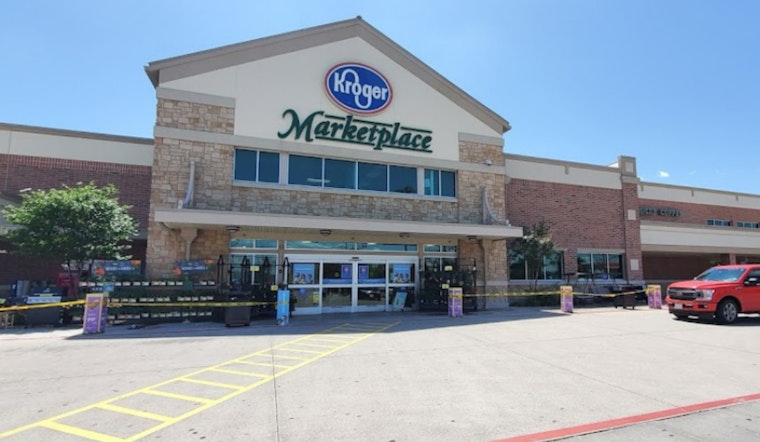
In a power move against corporate consolidation, the Federal Trade Commission, backed by Arizona and several other states, has filed a lawsuit to halt the proposed $24.6 billion merger of supermarket behemoths Kroger and Albertsons, which critics argue could jack up grocery prices and hurt consumers already struggling with inflation. Arizona Attorney General Kris Mayes was vocal about the state's opposition, stating "Many Arizonans I heard from voiced concerns about potential job losses from combining the two companies," in a concern that struck a chord particularly with rural communities already grappling with limited access to fresh food, 12news.com reported.
Arizona joins California, Illinois, Maryland, Nevada, New Mexico, Oregon, and Wyoming in this legal challenge; all with Democratic attorneys general save for Wyoming's Republican Bridget Hill, signaling a crescendo of bipartisan apprehension against a deal that could reshape the grocer industry landscape, sprawl food deserts further and leave the wallet of the many at the mercy of the interests of the few. Critics point to the chilling climb of food costs — with home food prices leaping by 11.4% in 2022 and another 5% in 2023 — as a cause for alarm, flagging the potential for even higher prices, and the FTC's Bureau of Competition Director Henry Liu said,“Kroger’s acquisition of Albertsons would lead to additional grocery price hikes for everyday goods, further exacerbating the financial strain consumers across the country face today,” as per KTAR.com.
A tug-of-war has thus unfurled as Kroger and Albertsons, which together would control around 13% of the U.S. grocery market, continue to push for the alliance, selling it as a strategy to mount a better defense against retail Titans like Walmart and Amazon. Promoting a history of price slashing following past mergers, a pledge from Kroger of a $500 million price reduction upon closing the deal has surfaced, along with a $1.3 billion infusion promised to rejuvenate Albertsons stores, as reported by 12news.com.
Yet, despite corporate assurance with Kroger's statement asserting that halting the merger will harm the very people the FTC purports to serve: America's consumers and workers, driven by the FTC's assertion that the deal would also cripple competition for workers thus threatening their ability to vie for higher wages, better benefits, and improved work conditions; casting an elongated shadow over employees' futures at a time when the previous administration has shown its teeth against comparable large mergers, such as the blocked union between JetBlue Airways and Spirit Airlines, as detailed by KTAR.com.
As Kroger and Albertsons eyed an early closure on the deal this year, legal turbulence has introduced uncertainty, with the companies now eyeing completion in the first half of Kroger’s fiscal year — with Kroger's fiscal second quarter wrapping up on August 17.




