

























































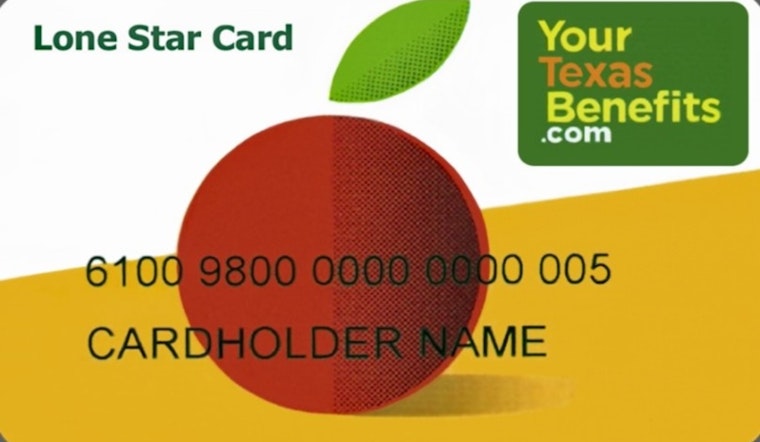
In a concerning turn of events, the Health and Human Services Commission (HHSC) of Texas has issued a warning to residents about a new wave of scams aiming to swiftly snatch away benefits from those reliant on programs like the Supplemental Nutrition Assistance Program (SNAP) and Temporary Assistance for Needy Families (TANF). A statement released on Monday highlighted an increase in phone scams specifically designed to target users of Lone Star Cards, the state's electronic benefit transfer cards.
These con artists have concocted a method to deceptively appear trustworthy by employing "spoofing" tactics that make it seem as though calls originate from the Lone Star Card Help Desk itself. According to a statement obtained by HHSC, Molly Regan, HHSC Access and Eligibility Services Deputy Executive Commissioner, expressed deep concern for the millions of Texans who depend on these essential benefits and the ongoing efforts "to help prevent fraud and make it easy to report it when it happens."
The @TexasOIG is receiving an increasing number of complaints about a phone scam targeting clients who use Lone Star Cards. Please be aware that HHSC will never call to ask for your card number or pin.
— Texas HHSC (@TexasHHSC) February 28, 2024
For more info on how to avoid this scam, visit: https://t.co/FidNgyxr7V pic.twitter.com/5CjCHfDtCI
HHSC reports that the scam involves scammers calling and masquerading as officials, asking for sensitive personal information such as PINs, Social Security numbers, and dates of birth under the guise of offering new or increased benefits. HHS Inspector General Raymond Charles Winter urges Texans, "Regardless of what the caller ID says, do not provide any personal information in response to an unsolicited call."
The Texas HHS Office of Inspector General (OIG) has noted a consistent stream of 10-15 complaints per day related to this scam. It is crucial to recognize that legitimate HHSC officials will never reach out directly to ask for confidential card information or PIN via calls, texts, or emails. If residents face uncertainty regarding the legitimacy of such communication, they should immediately hang up and verify by calling the number on the back of their Lone Star Card. Those affected by Lone Star Card fraud are urged by authorities to call the Lone Star Card Help Desk, report the incident to the OIG Fraud Hotline, and contact local law enforcement.
Moreover, individuals who have fallen victim to such scams and have lost access to their benefits can request replacements through their local HHSC office. HHSC also guides anyone in immediate need of food assistance to contact local food banks or food pantries, which can be located by calling 2-1-1 or visiting the 211Texas.org website. For further details on avoiding such fraudulent activities, the HHS Lone Star Card Fraud Awareness and Prevention web page offers resources and information.





