

























































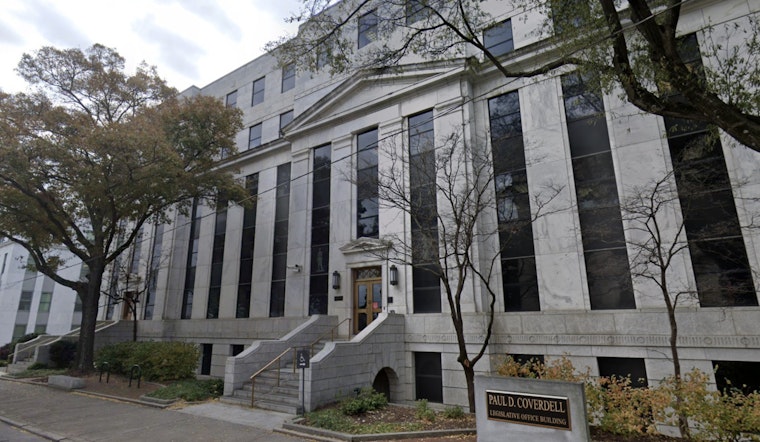
Georgia's singular Jewish lawmaker, State Rep. Esther Panitch, was shuttered by an unsettling incident on Tuesday, when she received a threat laden with antisemitic vitriol delivered to the sanctuary of her own home. With the timing keenly bitter, as the state stands on the cusp of fortifying its stance against such hate through legislation, Panitch, representing Sandy Springs, disclosed the nature of this personal attack to local authorities. "It's unnerving," she confided in an exclusive with Atlanta News First, "Everyone should be able to feel safe at home."
Georgia lawmakers, with resolute backing from Governor Brian Kemp, have ushered in a bill designed to precisely define antisemitism within the state's legal framework. Poised to become law, the measure has received unanimous support from the GOP and a splintered response from Democrats, revealing an intricate tapestry of political convictions and the trade-offs they hamstring. This development stems from a resurgence of antisemitic activities that unfurled across the state, breeding a sense of urgency to address the growing tide of hate. As reported by AP News, the governor affirms that signing this bill "builds on our commitment to protect Georgians from criminal acts, including those based on hate."
One haunting feature of this bill, however, has divided some legislators. Critics argue that its implementation could lead to stifled criticism of Israel, casting a shadow over the legitimate exercise of free speech - rights etched into the very bedrock of American liberties. Sen. Nikki Merritt (D-Lawrenceville) flags this concern, emphasizing that "The First Amendment guarantees our rights as citizens to criticize any government, foreign and domestic," she charges in a statement. "Does our Constitution not mean anything? Do our federal laws not mean anything?" Panitch, alongside those in favor, maintain a line separating speech from action. The bill, they insist, takes aim solely at "hateful acts" like vandalism or assault and not the expression of controversial opinions.
Nevertheless, the shadow cast by the rise in antisemitic incidents can't be ignored, casting a pall over the Jewish community as they navigate a landscape marred by hate. Illuminating this increase, a study cited by the Anti-Defamation League noted a staggering 35% escalation in such occurrences between 2021 and 2022. Within such a climate, those bearing the brunt of these transgressions find in this legislative effort, as Panitch told Atlanta News First, "150,000 Jews in Georgia that now feel like they have been seen, and heard, and acknowledged and protected."
As the final touches are put on the Georgia antisemitism bill before Governor Kemp’s expected signature enshrines it into law, the sobering realities brought forth by threats against lawmakers like Panitch and the contentious debates at the Capitol underscore the delicate interplay between safeguarding individuals from bias-fueled crimes and preserving the sacrosanct right to free speech. The discourse surrounding the bill's potential effects on pro-Palestine advocates persists, with voices like Azka Mahmood, executive director of the Center for American-Islamic Relations, who said, "This bill will target pro-Palestine advocates and we have seen it applied already across the state," as reported by Atlanta News First. "In the state of Georgia, we are seeing a dangerous rise in the conflation of anti-Israel speech with antisemitism before this bill is even passed, and it is creating real harm and real danger for advocates of Palestine." The bill's journey and the debates it’s sparked will likely be a significant reference point in the ongoing dialogue about hate crimes, free speech, and how communities can coexist with respect and safety.




