

























































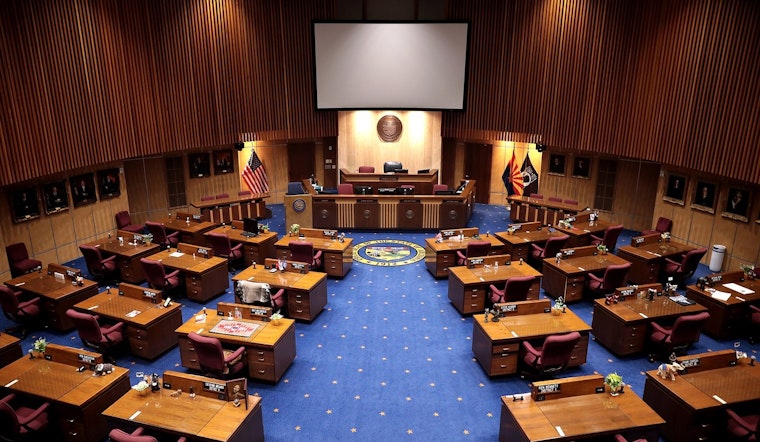
Arizona's tug-of-war over approaches to retail theft and immigration policy continued this week as state lawmakers made headline-grabbing moves on contentious legislation. The Arizona Senate approved a bill allowing citizens to play cop when it comes to retail theft, while the state's governor vetoed a polarizing border security bill that sought to criminalize unauthorized border crossings.
According to 12 News, the Senate Bill 1613 would enable Arizonans to lawfully detain suspected shoplifters – a move justified by State Sen. Justine Wadsack, R-District 17, who highlighted the financial burden local stores are bearing due to rampant theft. Wadsack pointed out the frustration of security guards who are often powerless to prevent shoplifters from calmly walking away with stolen goods. Democrats, however, are sounding alarms over potential vigilante behavior, fearing that the bill could encourage citizens to use unnecessary force.
Meanwhile, on the immigration front, Gov. Katie Hobbs stamped her veto on legislation that could have seen noncitizens criminally charged for entering through any means other than designated ports of entry. A fierce debate ensued, with Republicans sharply criticizing her decision. The vetoed bill, strongly backed by Republicans, aimed at supplementing what they see as federal inadequacies in immigration enforcement. Hobbs called out the bill for its constitutional red flags and the probable drain on public resources it would pose.
Sponsor of the vetoed bill, Sen. Janae Shamp, did not hesitate to express her censure, saying, "This veto is a prime example of the chaos Hobbs is unleashing in our state while perpetuating this open border crisis as Biden’s accomplice," a statement first aired by PAhomepage. The bill's fate was anticlimactic for the Republicans who were hoping to leverage such legislation ahead of the upcoming presidential election.
Controversy is nothing new when it comes to Arizona's legislative measures on immigration. The state has seen several of its previous laws struck down by courts, and this standoff suggests a persistent divide on how best to manage both retail lawlessness and border security. In response, lawmakers are cooking up a strategy to bypass a potential gubernatorial blockade by putting a new measure directly to the voters, this one aiming strictly to mandate employment verification for public welfare beneficiaries and penalize employers failing their legal duties on verification.





