

























































President Joe Biden has earmarked a massive $3.3 billion for infrastructural healing, intending to stitch back communities fractured by the very roads and rails that were supposed to connect them, the White House announced Monday. In a move to address the nation's legacy of divisive urban planning, Biden rolled out the plan as part of his larger scheme to revamp infrastructure and ensure no community is left out of America's growth narrative. The funding, shared among more than 40 states, is pegged for projects that mend rifts caused by transportation structures, rekindling access to essential services for neighborhoods long cast aside.
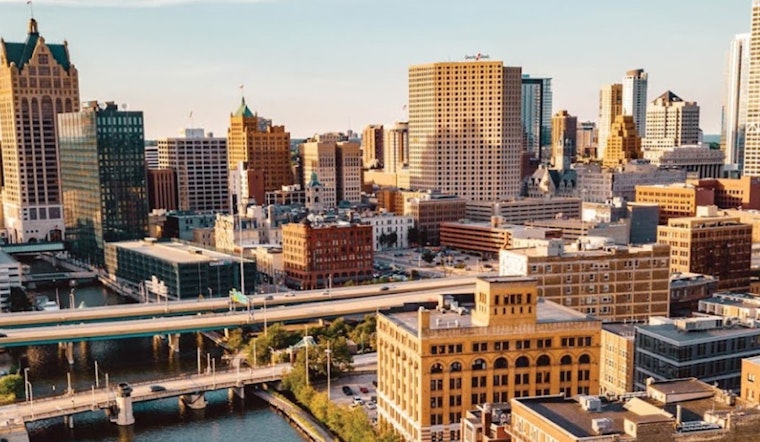
During a trip to Milwaukee, Biden shined a spotlight on the city's 6th Street Complete Streets Project, injecting $36 million into the endeavor that's set to undo damage from the '60s freeway expansions which razed homes and businesses to the ground, but now amidst the President's State of the Union Address push toward rebuilding the country from the middle out, these investments are seen as a bid to bring fairness and opportunity back to the roads we travel, the very same investments have mobilized 47,000 infrastructure projects and leveraged $650 billion in private sector commitments.
According to the White House, the Reconnecting Communities and Neighborhoods Program spearheading these initiatives is a first-of-its-kind endeavor, fueled by the Bipartisan Infrastructure Law and the Inflation Reduction Act, aimed at correcting the impacts of past transportation projects and spurring economic growth, all the while laying down a framework for racial equity and environmental justice as per Biden's executive order. The program finds itself at the intersection of civil engineering and social reparations, carrying the weight of history and the promise of a more equitable infrastructure.
Other cities joining Milwaukee in this infrastructural renaissance include Atlanta's "The Stitch," to which $158 million has been allocated to bridge the gap between midtown and downtown; it will mend wounds inflicted when highways severed it from its economic life source, while Philly's Chinatown looks forward to a $159 million cap over the Vine Street Expressway to restore its once vibrant streets, similarly Portland, Oregon; Toledo, Ohio; Syracuse, New York; Birmingham, Alabama; and Los Angeles County, California, are also set to receive significant funds to reroute their destinies away from past infrastructural oppressions.
These projects, detailed by the White House, also complement Biden's towering $108 billion investment in public transit and a $150 million air pollution control to guard vulnerable communities against environmental hazards, thus rounding off an agenda aimed at not only rebuilding America physically but socially as well, bridging divisions that have long prevented the underserved from reaping the benefits years of urban expansion promised but seldom delivered.




