

























































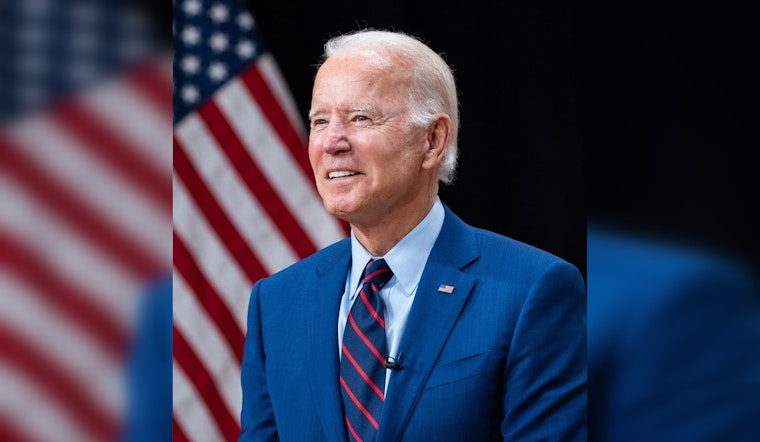
In a major fiscal move, President Biden has introduced a budget plan for Fiscal Year 2025 that aims to secure and reinforce the foundations of Social Security and Medicare. According to a Fact Sheet released by the White House, the President's budget is set to invest in the nation while lowering costs for families, and at the same time, ensuring the longevity of critical social welfare programs without burdening the beneficiary.
The plan touts several ambitious principles, including no cuts to benefits, improving financial security for the elderly and disabled, and enhancing the Social Security Administration's services with a 9 percent funding increase from 2023 levels. The administration's proposal arcs toward the notion that the wealthiest should contribute more, stating, "Protecting Social Security should start with asking the highest-income Americans to pay their fair share." This comes as an assurance to millions of Americans who have spent their lives contributing to these programs, now expectant of their unwavering support in times of need.
Particularly significant is the President’s intention to solidify the Medicare Hospital Insurance (HI) Trust Fund indefinitely. It’s a move that not only safeguards the future of Medicare but also responds to the cost pressures faced by those it serves. Under the new budget, Americans earning over $400,000 would see an increased Medicare tax rate and a closure of loopholes that previously benefited some wealthy business owners. It's a dual-front attack on inequality in tax burdens and a decisive step toward prescription drug affordability, as outlined by the White House.
The proposed budget would grant Medicare additional bargaining power with drug manufacturers. This amplifies the Inflation Reduction Act's initial steps, aiming to lower out-of-pocket expenses—including capping Medicare Part D cost-sharing on select generic drugs at $2 per monthly prescription. The President’s Budget additionally proposes eliminating cost-sharing for three behavioral health visits annually and pushing for parity between physical and mental health coverage in Medicare. The potential benefits could spell billions in savings for the government and consumers alike through carefully targeted reforms.
With the nation's gaze fixed on healthcare as a perennial issue of concern, the President's budget casts a vision of fiscal strategy intertwined with the moral undertaking of protecting society's most vulnerable. It's a plan that reflects the administration’s message of equitable contribution and shared responsibility.




