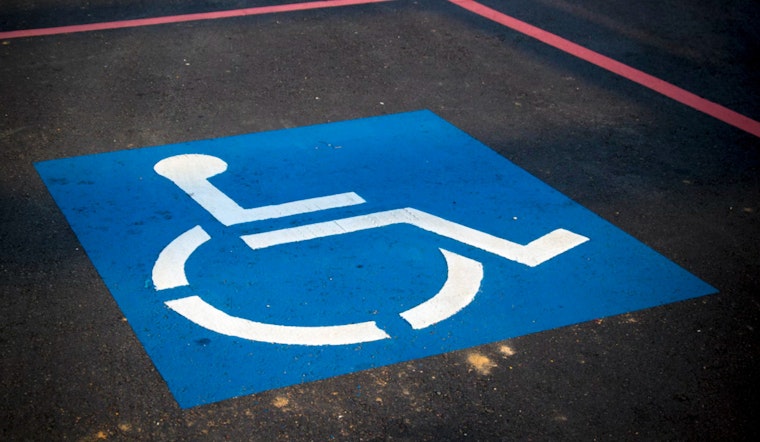
In a move that has generated both support and controversy, Boston City Councilor John FitzGerald is championing a proposal that would grant pregnant women and new mothers the right to access handicap parking spaces. This measure is aimed at easing their physical and logistical burdens, as reported by NBC Boston and WBZ NewsRadio.
FitzGerald, a father who's seen the struggles of pregnancy up close, stated, "When pregnant and having debilitating physical tendencies due to pregnancy, then you too should be afforded those same responsibilities and rights to park in a handicap spot," drawing inspiration from his wife's experiences, as he remarks, people in the Back Bay or Beacon Hill areas find it particularly challenging to navigate without closer parking spots, while Dr. Ankur Patel, who issues handicap placards, added that "The nice thing about the handicap placard is you can put a timeline on it and it can be renewed," these comments were noted by NBC Boston.
The plan suggests that the Massachusetts Registry of Motor Vehicles does not currently recognize complications due to pregnancy therefore making, the approval process ambiguous and lacking in awareness, which FitzGerald hopes to amend; his proposal, also informed by others states' existing accommodations, such as Illinois, which allows use of disability placards during the third trimester for a period of 90 days, is now poised for in-depth deliberation at a council committee meeting.
Public opinion on the issue appears to be split, according to WBZ NewsRadio, one Boston resident proclaimed enthusiastically "I think that’s awesome," while another backed the idea stating, "I didn’t need those accommodations, but other women certainly might need those," on the flip side, some dissenters argue "No, no handicap plates for pregnant women or post-mamas," and suggest that if a pregnant person has underlying conditions that would normally qualify them for a handicap placard, then that is how they should proceed however, FitzGerald remains steadfast, declaring, "Our hope is to call attention to a matter that isn’t talked about enough, and that’s how hard pregnancy can be on the human body, specifically in the last trimester and post-birth in the recovery phase."