

























































As the moon prepares to cast its shadow across swathes of North America, eclipse chasers and amateur astronomers alike are gearing up for a celestial spectacle on April 8, 2024. According to the Chicago Tribune, this total solar eclipse is special not only for its rarity but also because it offers a second darkening of the skies over southern Illinois in just seven years. The path of totality will grace Carbondale, where the sun will be completely obscured for over four minutes.
While seeking an encore of the 2017 eclipse, Michelle Nichols, Adler Planetarium's director of public observing, reminded enthusiasts, in a statement obtained by the Chicago Tribune, "Any given location on Earth will see an actual, total solar eclipse on average every 375 years." Carbondale is beating the odds, welcoming total darkness again in less than a decade.
The event promises more than just a momentary blackout. Planets such as Jupiter and Venus will accompany the sun and moon, providing a rare planetary alignment visible to the naked eye. Moreover, the sun's heightened activity in its most active period in two decades is expected to dazzle observers with sunspots and solar flares during the eclipse's totality, as Ethan Chivari, a photographer returning to the eclipse zone, excitedly anticipates taking advantage of the four precious minutes for capturing this astronomical event's grandeur.
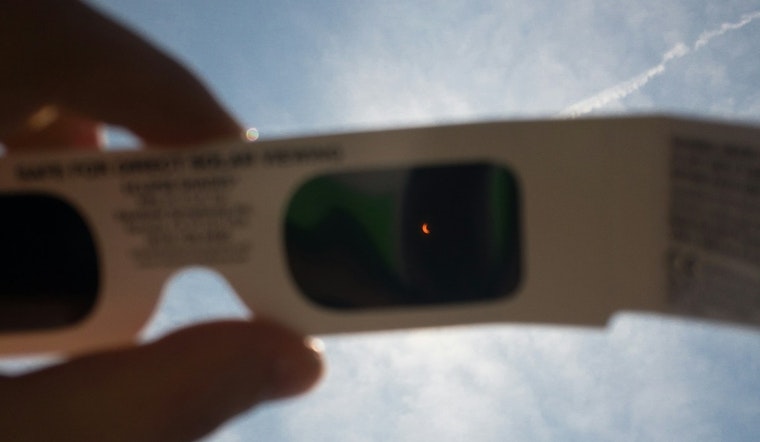
But beyond the scientific excitement lies a necessary caution. Experts warn that protecting one's eyes during the eclipse is crucial, with regular sunglasses insufficient for the task. Special glasses meeting the international safety standard ISO 12312-2 are required for direct observation of the event, emphasized Alex Lockwood of NASA, as reported by ABC7 Chicago. Looking directly at the sun without proper protection, even outside of totality's brief window, can result in irreversible eye damage. Solar retinopathy, a condition with no current treatment, has plagued unlucky viewers in the past and serves as a stark reminder of the eclipse's hidden dangers.
Careful planning can ensure a safe and memorable experience. The partial eclipse will darken the Chicago skies to up to 94% at its peak, noted Adler's Nichols, who advises against fumbling with cameras during those brief moments. "This is definitely not the time to do that," she said, encouraging people to absorb the totality with their senses rather than through a screen. As millions ready to gaze upward, the April 8 eclipse stands as a reminder of our planet's wonders and the human spirit's quest for understanding the cosmos hanging above.




