

























































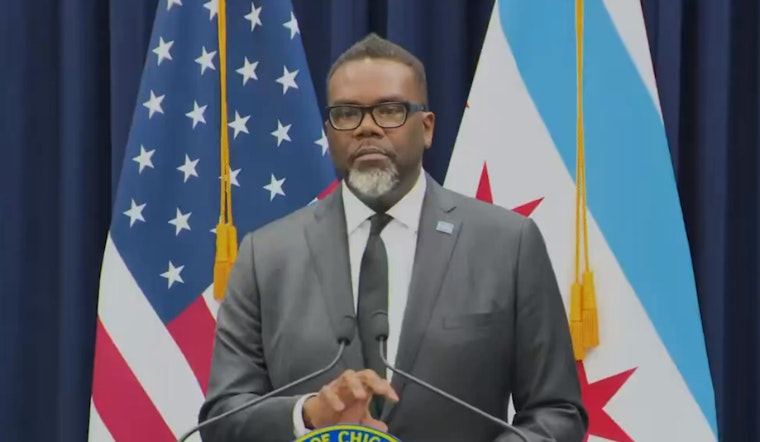
Mayor Brandon Johnson's bid to fight homelessness by hiking taxes on million-dollar property sales in Chicago is facing imminent defeat. With an overwhelming majority of the votes tallied, 54% of Chicagoans have said "no" to the referendum. This vote is a blow to the progressive factions and could force a regrouping on methods to tackle the city's homelessness issue.
Despite the setback, the Bring Chicago Home coalition, a persistent supporter of the tax change, is not quite ready to throw in the towel. Even with the no votes leading by over 23,000, the coalition holds out hope for the more than 100,000 mail-in ballots still out. Yet, to turn the tide, an overwhelming majority of those ballots would need to astonishingly favor the measure. "While tonight's election results are disappointing, we are nowhere near the end of our journey," said the coalition in a statement obtained by CBS Chicago.
The proposed tax hike had the backing of the Chicago Teachers Union and progressive unions, which had previously demonstrated their pull in low-turnout elections. However, opposition from real estate and business groups like the Building Owners and Managers Association was fierce. They argued the plan would lead to higher rents and questioned Mayor Johnson's ability to manage such funds effectively. "Bad policy should be defeated, and voters saw that it was bad policy," Greg Goldner, a political strategist against the measure, told the Chicago Sun-Times.
Critics of the plan, like BOMA, challenged the referendum's legality, claiming it amounts to "log rolling," a strategy to pair unpopular proposals with favorable ones. Their efforts to block the measure from ballots failed, but the effort to convince voters didn't, with opponents warning that the tax could harm the city's commercial real estate market and shift tax burdens onto residential homeowners.
Alderman Carlos Ramirez-Rosa expressed his disappointment to the Sun-Times, but stressed the need for reflection and strategizing ahead: "This is not the result we wanted. We're gonna have to take a real hard look at what happened and figure out how to move forward from here." The defeat notably undercuts the political momentum that the most progressive mayor in Chicago's history had been riding since his election.
In the end, the voters' message resonates with a skepticism towards increasing taxes and a concern over government spending. Republican political strategist Aaron Del Mar speculated that the proposal could have stood a better chance if it had targeted properties above the $3 million mark. "I think they caught too many of the people of Chicago in here, including small business owners," Del Mar explained to CBS Chicago. This sentiment echoes the wariness that Chicagoans have over further tax increases, emblematic of a deeper distrust perhaps in governmental fiscal responsibility.




