

























































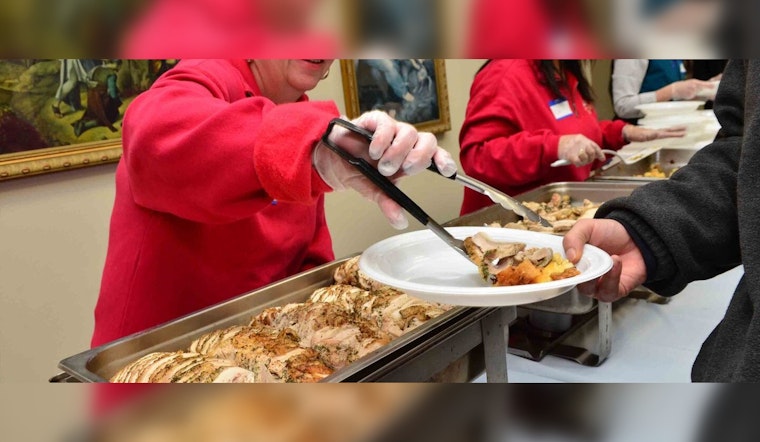
Chicago's effort to provide for its migrant population is hitting a bump with many newcomers criticizing the quality of food served in the city's shelters, despite the city shelling out tens of millions for catering contracts. Records show that since August 2022, the city has welcomed around 37,000 migrants, primarily from Venezuela, spending approximately $31.3 million on their sustenance until February 2024, Chicago Sun-Times reports. Yet, former residents of the largest migrant shelter have described the food as "horrible," opting to establish makeshift businesses and buy their meals, according to WGN-TV.
Migrants have voiced their dissatisfaction through formal complaints about the food being old, cold, or excessively spicy. These complaints have persisted even after Chicago selected two new catering agencies, Seventy-Seven Communities and 14 Parish, earlier this year, in a bid to tackle these issues. While Seventy-Seven Communities has been paid $3.7 million to feed migrants, its contract could go up to $45 million. Similarly, 14 Parish has received $3.8 million with the potential to reach $57.6 million, the vendors are under scrutiny by the community they serve.
In response to migrant feedback, caterers and city food suppliers have attempted to adapt by offering menus that promote both dignity and choice. "We were definitely providing dishes that involved rice and chicken," said Amy Laboy, vice president of programs and community partnerships for the Greater Chicago Food Depository, noting the effort to adjust menus based on migrants' preferences, as the Sun-Times detailed. The Greater Chicago Food Depository alone spent more than $17.6 million feeding migrants using state and private funds during the same period.
Yet, shelter residents are speaking with their wallets, creating their sources for meals that they deem more palatable. "The residents who are choosing to skip the free food…and eat outside gave us pictures of the city-provided meals, saying they may look fine but taste terrible," WGN-TV revealed. The city maintains that it collects feedback and seeks "to work with our food service provider partners to continually improve food options for residents based on the feedback we receive."




