

























































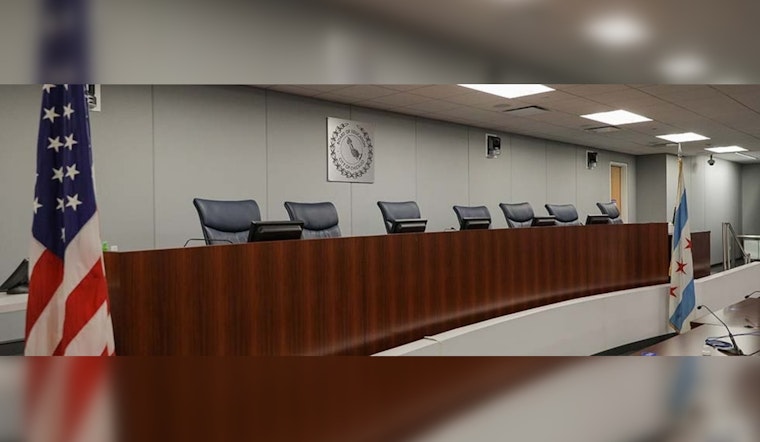
In a bid to shore up educational outcomes, the Chicago Public Schools (CPS) has committed to a new funding strategy, pairing its efforts with a significant policy shift away from school choice. CPS officials announced on Thursday a move from student-based to needs-based budgeting for the upcoming 2024-25 school year, a change aimed at supporting before- and after-school programs, administrative staff, counselors, and other essential operations in every school, as reported by the Chicago Tribune.
This change comes on the heels of CPS's top performance in reading score gains among 40 large urban districts, a reflection of strategic investments that combated pandemic-induced learning deficits. But with federal pandemic relief funds drying up and a budget shortfall looming, cuts elsewhere are implied, yet specifics remain under wraps. "Absent any additional, yet-to-be-identified revenue, we have to find a way to close that gap," CPS's Chief Budget Officer Mike Sitkowski stated, hinting at the fiscal challenges ahead.
Simultaneously, per WTTW News, CPS is veering away from its school choice framework, which allowed families to apply for schools citywide. Now, the focus turns local as efforts intensify to enhance neighborhood schools. The ideologically charged move, part of Mayor Brandon Johnson's campaign promise, has attracted a mixed bag of reactions, with some stakeholders applauding the emphasis on equity and others lambasting the board for cutthroat decision-making.
Advocates of school choice like Andrew Broy, president of the Illinois Network of Charter Schools, argue that the existing policy catalyzed significant educational achievements, particularly amongst Black and Brown students. "We’ve had great success on the West and South Side of the city increasing graduation rates. So we don’t think it’s smart to take away policy that’s driven such great gains,” Broy told WTTW News, criticizing the board’s approach as shrouded and lacking in transparency.
Conversely, voices in the community echo the need for a robust neighborhood school system. "Every child in Chicago should be able to go to their neighborhood school, get a high-quality, highly resourced public education," Cassandra Kaczocha, board president at Raise Your Hand, shared with WTTW News, stressing the importance of forthcoming detailed planning and community engagement. Tara Stamps of the Chicago Teachers Union underlined the potential to build high-achieving neighborhood schools, noting past disinvestment following the lifting of a consent decree responsible for desegregating Chicago schools.
As CPS navigates this dual thrust of a restructured funding approach and a departure from school choice, the efficacy of such strategic decisions will only become clear as the next academic year unfolds and the community reacts to these sweeping changes.




