

























































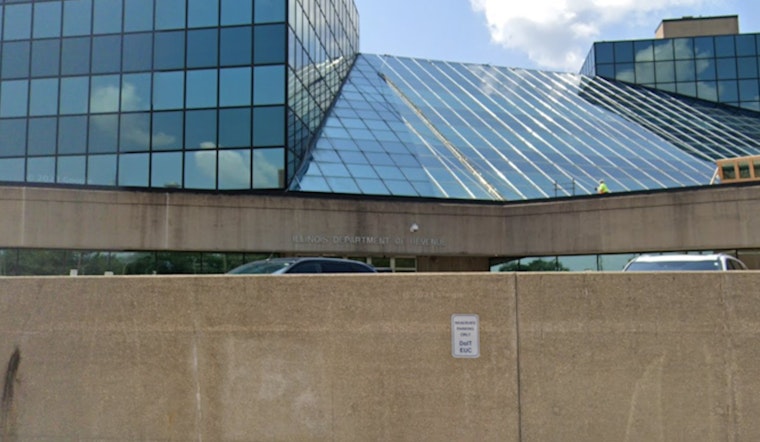
Clay County homeowners can breathe a sigh of relief as property tax calculations remain steady this year. The Illinois Department of Revenue has announced a final property assessment equalization factor, or multiplier of 1.0000 for the county, a clear indicator that assessments are in line with market values. This factor is key to ensuring that taxpayers across the state are shouldering their fair share of property taxes – no more, no less.
According to a statement from the Illinois Department of Revenue, the equalization process balances out property assessments to prevent notable disparities among taxpayers with similar properties. Unlike our neighboring states, where a patchwork of rates could spell a riddle wrapped in a mystery, inside an enigma, Illinois law predicates a uniform approach – all property must be assessed at one-third its market value, save for farmland which follows its own rule book.
The number-crunching is no small feat; it entails comparing recent property sales to county assessments. For three years, numbers have been tallied and for 2023, Clay County's assessments were at 33.39%, a near-perfect alignment with state law. While it may sound like a mundane bureaucratic exercise, this balancing act is a cornerstone of local governments’ ability to fund schools, fire departments, and other critical public services without tipping the scales against homeowners.
Last year's multiplier was also 1.0000, a figure that came into being after a public hearing and a preliminary equalization factor issued on January 9, 2024. If the grisly details of property tax deliberations are your particular brand of horror, know this – a change in the multiplier doesn't necessarily mean your tax bill will spike or plummet. It's the local taxing bodies that hold the purse strings, deciding how much to levy to keep the wheels turning in their districts.
So, while the multiplier remains unchanged, individual property values will still determine each taxpayer’s slice of the tax pie. But for those trying to make sense of the byzantine tax code, this year's consistency in Clay County’s assessment multiplier might offer a small glimmer of predictability in an otherwise complex fiscal dance.




