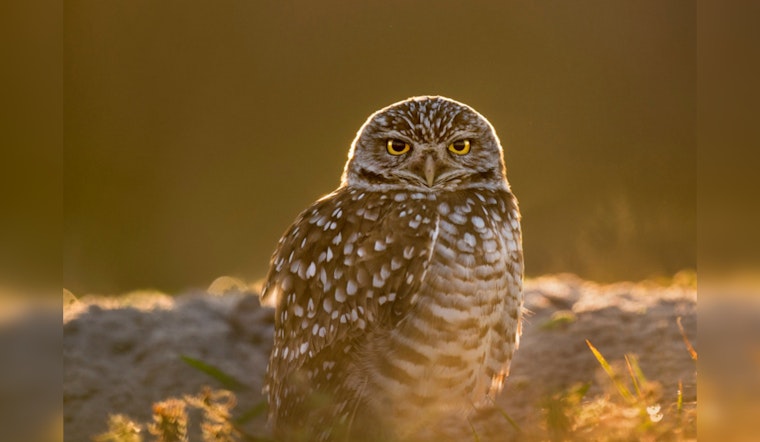
Amid the backdrop of urban expansion and energy development, conservationists are stepping up the fight to save California's burrowing owl populations. In a recent push, groups have petitioned the California Fish and Game Commission to grant legal protections to these at-risk birds under the California Endangered Species Act (CESA). According to Defenders of Wildlife, five populations of burrowing owls are facing swift declines, prompting a call for endangered status in certain regions and threatened status in others.
The burrowing owl, recognized for its subterranean nesting habits, has witnessed significant habitat disruption as a consequence of land development and agricultural practices. With the wheels of progress frequently turning too close to their homes, conservationists fear the owls are running dangerously low on time and space. "I’ve witnessed the disappearance of burrowing owls from much of California over the past two decades, and it pains me to watch their extinction trajectory," Jeff Miller, a senior conservation advocate at the Center for Biological Diversity, told Defenders of Wildlife. He believes immediate protections are necessary to maintain the presence of these owls in their native grasslands.
In Arizona, the non-profit organization Wild at Heart Raptors is also deeply engaged in efforts to ensure the survival of burrowing owls. Partnering with the Bureau of Land Management (BLM) on the “Burrowing Owl Relocation Project,” they're dedicated to safely moving owls from construction sites to safer habitats on BLM land. Eric Murray, the operations and conservation manager with Wild at Heart Raptors, highlighted in an ABC 15 interview, "Our main goal is to take burrowing owls that are [at] risk from construction development — a lot of times it’s from housing development — and relocate them from those areas where they are at risk to areas they won’t be."
Volunteers are crucial to the success of these conservation operations, as they construct new habitats and oversee the rehabilitation of the relocated owls. These individuals shovel dirt, build release tents, and nourish a connection to the natural world. Marie Palowoda, a volunteer with Wild at Heart Raptors, expressed a profound sentiment to ABC 15, saying, "These projects are a real good way to feel more grounded and connected to the world around me."
The challenge remains as urban sprawl continues to encroach on wildlife habitats, putting species like the burrowing owl in precarious positions. In California, the situation is urgent, with populations dwindling in certain areas to the point of near-extinction. Advocates are calling on state and local agencies to actively manage threats and implement strategies to reverse this decline. Prospects for long-term survival of these owls hinge on the swift and decisive actions of today's policymakers and committed conservationists alike.