

























































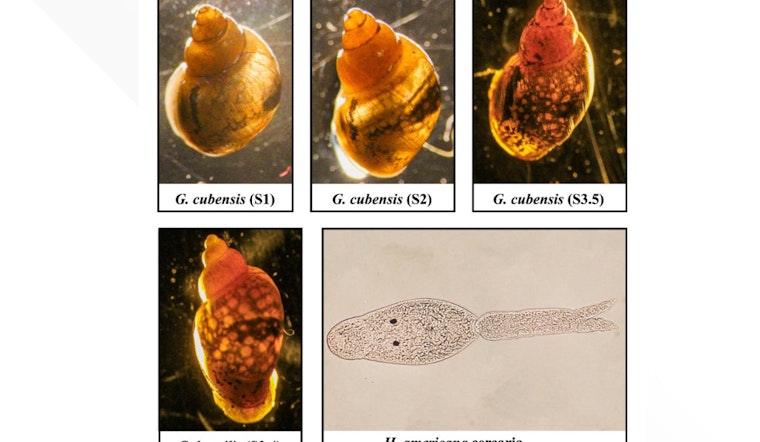
A parasitic flatworm that can fatally sicken dogs has slithered its way into the Colorado River in Southern California, as confirmed by UC Riverside scientists. The liver fluke, known as Heterobilharzia americana, is a parasite typically found in Gulf Coast states, but it has now been reported much farther west than ever before, posing a significant danger to our canine companions.
The parasite has been linked to canine schistosomiasis, a disease that affects the liver and intestines of dogs and can lead to death if not treated. As per 12news.com, dogs may contract the infection by drinking from or swimming in contaminated water. Adler Dillman, the Department of Nematology chair at UC Riverside, warns pet owners of potential peril: "If you and your dog have been swimming in the Colorado River, you should watch for symptoms such as lethargy, loss of appetite, weight loss, diarrhea, bloody stool, and vomiting."
This alarming revelation comes after multiple cases of the infection were reported in dogs that had been in the river. The team at UC Riverside, led by Dillman, performed research and found two species of snails on the riverbanks that are known to carry the parasite. "We actually found two species of snails that can support H. americana in the river in Blythe, and we found both snails actively shedding this worm," Dillman told U.S. News. This is significant because the snails are part of a life cycle that allows the parasite to infect dogs.
Veterinarians in Southern California have seen 11 cases of the disease over the last five years, with one confirmed fatality. Dr. Emily Beeler, a veterinarian with the Los Angeles County Department of Public Health, emphasized the severity of the illness: "Symptoms start gradually with a loss of appetite, and eventually include vomiting, diarrhea, profound weight loss and signs of liver disease," she explained in a statement.
Fortunately, the parasite is not known to infect humans, although it can cause an itchy skin rash commonly referred to as "swimmer's itch." Dillman reassures that urban drinking water remains safe from the parasite, as it can be readily filtered out using common water purification processes. Still, Dillman cautions against drinking water directly from the river, citing other contaminants such as viruses, bacteria, and parasites like Giardia.
The UC Riverside team is continuing efforts to determine the full range of the species in the Colorado River. This effort is especially pertinent in areas popular for tourism, aiming to prevent further spread of the invasive worm and safeguard the health of both pets and their owners.





-4.webp?w=160&h=400&fit=crop&crop=edges)