

























































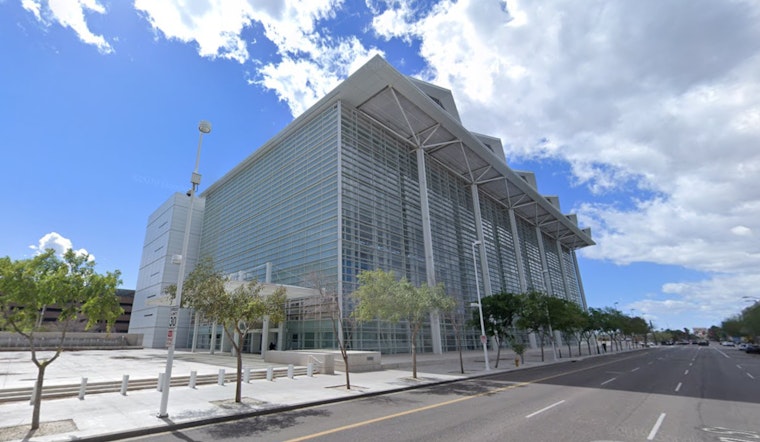
A federal court has upheld key parts of Arizona's new voting laws that mandate proof of citizenship for voter registration, drawing a line between election integrity efforts and discrimination claims. U.S. District Judge Susan Bolton ruled the laws were indeed not discriminatory, emphasizing the state's right to prevent voter fraud and to limit the privilege of voting exclusively to eligible individuals.
As reported by FOX 10 Phoenix, Judge Bolton reasoned that, "Arizona’s interests in preventing non-citizens from voting and promoting public confidence in Arizona’s elections outweighs the limited burden voters might encounter when required to provide (documentary proof of citizenship)." She stipulated, however, that requiring state registration forms to include state or country of birth was a misstep, potentially leading to unlawful scrutiny of only naturalized citizens.
The controversy surrounding these laws digs deep into the state's history with voting rights, especially regarding past discriminatory practices against Native American and Latino communities. Despite this history, Bolton concluded no evidence was presented to imply a legislative intent to suppress minority voters in the current legislation, as per a synopsis from 12News.
These laws, which took form after a cascade of Republican proposals following the 2020 election results where Joe Biden ousted Donald Trump in Arizona, have drawn both sharp criticism and strong support. Critics, including the U.S. Department of Justice, worried that the new rules would impede voter registration, with potential impact on hundreds of thousands. Meanwhile, supporters, like former governor Doug Ducey, herald the measures as protectors of 'election integrity'—a sentiment echoed in his statement that the laws ensure "every lawful vote" counted, and illegal attempts thwarted.
In her ruling, Judge Bolton also took aim at one of the two measures that demanded election officials cross-verify voters' citizenship status with government databases, but noted that non-citizen voting in Arizona is "quite rare." This comes after a previous block of a requirement that would have necessitated additional proof of citizenship for federal-only voters, which was overturned due to conflict with federal registration law established in 1993.
As the dialogue on these regulations continues, the noticeable tension between voter access and the rigor of security measures remains a complex tableau within Arizona's political landscape, one where the scales of justice and civic duty continually seek balance.




