

























































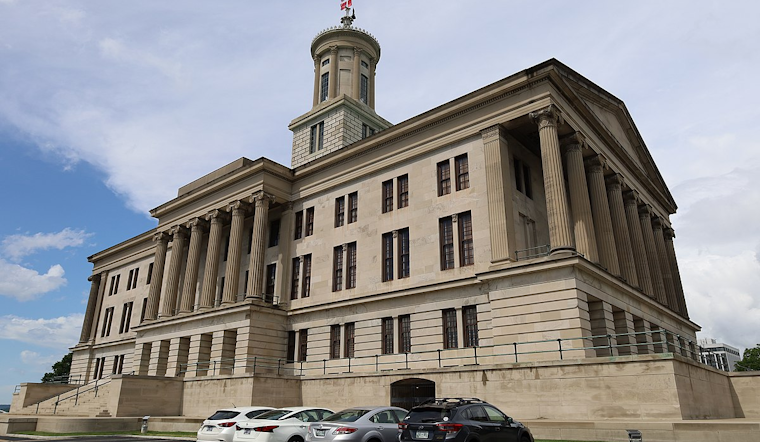
In a series of coordinated legislative gambits, GOP lawmakers from Tennessee to Texas are making moves to enforce sterner immigration policies, igniting controversy and judicial stops and starts. Tennessee is the latest battleground, as senators Brent Taylor and Bryan Richey sponsor bills focusing on penalizing undocumented immigrants, as reported by NewsChannel5. In unison, Iowa and New Hampshire have thrown their hats in the ring, putting forth legislation mimicking Texas' heavily disputed law, which empowers local law enforcement to detain individuals suspected of illegal border crossings.
While Texas has seen its stringent border arrest law dangle in judicial limbo, temporarily upheld then blocked by the courts, Tennessee looks to join the fray, sparking outcry from advocacy groups that decry these legislative proposals as unfair to immigrant communities. Yet, lawmakers argue they're addressing an emergent threat to state welfare, as highlighted by US News.
Senator Taylor, aligned with his Republican cohorts, articulates a vision where immigration is seen not just as a challenge but a harm, stating that states like Tennessee are suffering from its impacts—a sentiment fueling the drive behind these bills. The legislation aims to significantly increase law enforcement's capacity to target undocumented migrants, with critics contesting its potential effects on local immigrant communities.
In a similar vein, Georgian Republicans propelled a bill that demands cooperation from cities and counties with federal immigration enforcement, particularly after the murder of Laken Riley, a nursing student at the University of Georgia, at the hands of an undocumented Venezuelan individual, reported by AP News, this move reflects an intensified focus on localities as partners in immigration control in the wake of singular criminal events that put the debate in stark relief, Immigration authorities have since revealed that the accused unlawfully crossed into the U.S. in 2022. However, details regarding any asylum application remain uncertain.





