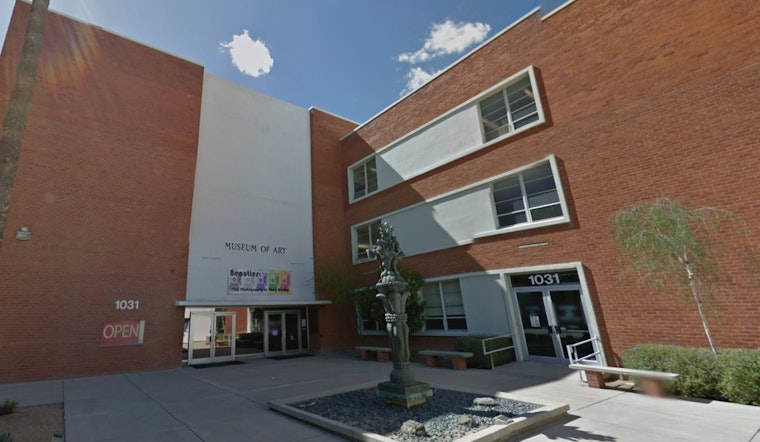
The art world is left scratching its head as a tale unfolds, one that leads us back to 1985 and a couple from rural New Mexico. Decades after Willem de Kooning's "Woman-Ochre" was brazenly swiped from the University of Arizona Museum of Art—a piece valued over $100 million—it found its way back into the limelight, igniting speculation on the extent of Jerry and Rita Alter's clandestine dealings in purloined art. But the plot thickens when not just one, but potentially multiple stolen paintings have turned up linked to their estate.
Investigations into whether the Alters—who seemed to live a life unbecoming of retired educators—were pulling the strings behind a series of art heists have begun to ramp up. True-crime and travel writer Lou Schachter, in a Medium article series, was to first bring to light evidence linking the Alters to the stolen de Kooning. He makes it difficult to not consider the possibility that more than just "Woman-Ochre" adorned their walls illicitly. More art pieces by distinguished Western artists, including Joseph Henry Sharp and Victor Higgins, once nestled at their abode, came under the hammer at a charity auction in 2018, auctioned unknowingly, as the story is told by ABC15.
As the Harwood Museum of Art in Taos probes into the potential theft of two paintings from their collection, the similarities between the Taos and Tucson art thefts are eerily striking. Both occurred in daylight, with the thieves casually dislodging artwork from the walls. The previous idyllic belief that the Alter couple merely chanced upon these artworks during their expansive globetrotting is fast eroding. Jerry, a schoolteacher, and Rita, a school speech pathologist, had always managed to intrigue neighbors with their affluence and extensive travels, described in glowing terms in "The Thief Collector", as noted in a Medium article by Schachter.
As for the true origin of the paintings auctioned from the Alters' estate, perplexity persists. The Scottsdale Art Auction, through which these works were sold, maintains their innocence and cooperation. They "do our due diligence to prevent the sale of stolen goods, which we have not experienced to date," they communicated in a statement obtained by ABC15. However, With each twist, the case veers further from the realm of improbable and inches closer to the truth of whether the Alters’ lives were more fiction than their neighbors and many others ever could have imagined.
The FBI's stance remains opaque, having closed their investigation without confirmatory Traces of guilt regarding the Alters and the de Kooning piece. Yet Schachter's diligence has pried open a door to a room full of questions, with sparse answers. The whereabouts of the Taos paintings remain a mystery, casting doubt on the full scope of the Alters' secret legacy. The journey to ascertain the truth behind the provenance of the artifacts in question is "beginning," conveyed Harwood Museum's executive director Juniper Leherissey to ABC15. It unfolds as a narrative stranger than fiction, woven through decades of silence, piquing the curiosity of those daring to tug on its threads.