

























































Illinois legislators are rapidly firing back with a state-level salvo for water protection following a U.S. Supreme Court verdict that slashed nationwide water safeguards. Citing concerns over the fate of the Prairie State's wetlands and streams, Senator Laura Ellman together with Representative Anna Moeller have unfurled the "Wetlands and Small Stream Protection Act", aiming to fill the void left by federal retreat.
The new line of defense against environmental threats takes shape in the form of proposed bills SB3669 and HB5386. In an effort to quickly resuscitate protective measures, Ellman and Moeller are banding together with community stewards to forestall any further damage to Illinois' already shrinking natural water sponges. "These state-level protections are absolutely necessary to safeguard our waterways and wetlands," Ellman asserted in a statement obtained by Illinois Environmental Council.
The urgency stems from a stark reality: a vast majority of Illinois’ wetlands have vanished, eaten up by development and agriculture, with merely 10% still dotting the Illinois landscape. As climate conditions grow increasingly erratic, the importance of such ecosystems cannot be overstated, providing crucial benefits like flood mitigation, water quality preservation, and vital habitats.
Representative Moeller weighed in with equal conviction: "Clean drinking water, flood protection and other wetland benefits are simply not negotiable – they are necessary for all of us," she told Illinois Environmental Council. Moeller champions the legislation with a vision to bolster flood control, safeguard drinking water and brace for the impacts of climate change.
The proposed act would put the onus on developers to seek a permit from the Illinois Department of Natural Resources (IDNR) before undertaking projects that could disturb wetlands and small streams, as well as incentivize the avoidance of wetland destruction. In doing so, the legislation seeks to anchor local environmental stewardship and empower county-level wetlands protection endeavors.
From the heartland's gardens to its gushing aquifers, the move to shield Illinois' wetlands is garnering a chorus of support. Jess Whiston, a local farmer and proprietor of Terripin Farms, who has weathered flooding firsthand, sees passing the act as a "no-brainer," and underscores that the smart and right actions now align more than ever.
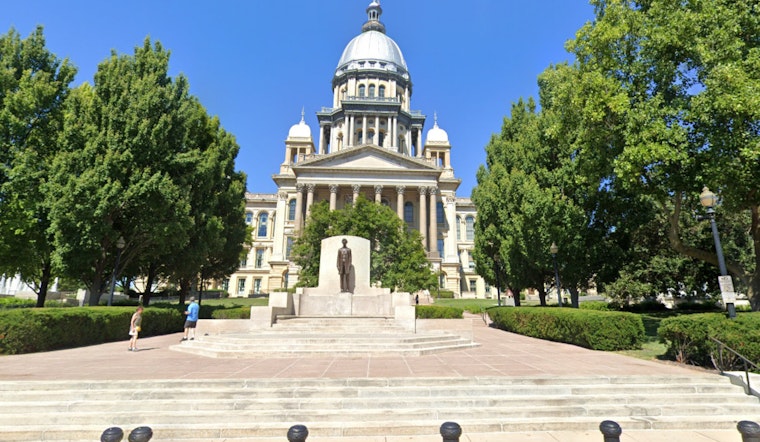
With environmental and economic implications on the line, proponents argue that the preemptive strike at the state level is a vital countermeasure to the high court's ruling and a step towards ecological resilience for Illinois' future. As environmental groups and local advocates join the legislative push, all eyes are on Springfield to see if this bill will pass muster and become the law of the land.




