

























































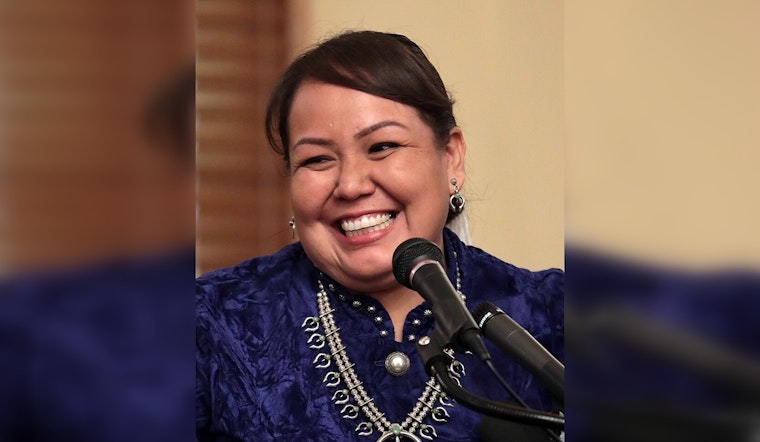
The Navajo Nation is witnessing a monumental shift in leadership roles, with two women reaching positions never held before by females in the Nation's history. Speaker Crystalyne Curley and Vice President Richelle Montoya are redefining expectations and inspiring younger Navajo women to aspire to greater heights. According to an interview by ABC15, Curley and Montoya are not just breaking glass ceilings, they are demonstrating that anything is possible for women in their community.
Curley credited her family, especially her grandfather, for teaching her about leadership and resilience, important qualities that have helped her confront opposition. "My grandfather always told me, 'one day you will be a leader, and one day you will speak for us and this is why we want you to focus, this is why we want you to be disciplined,'" Curley told ABC15. Resilience has been key for Curley, particularly in facing criticism within the Navajo Nation which, she says, is very conservative.
Vice President Montoya also faces her own set of challenges, particularly around "gender norms". In an ABC15 interview, she shared her experiences and how perceptions can differ due to gender. "I've been told that I am rude and mean because I don't stop and chit chat or say hi," Montoya said, noting the disparity in interpretation between determined men and women in professional settings. She emphasized that the impact of holding her position is significant, especially when younger women see her and feel encouraged about their own futures.
In the field of health, another Navajo woman is making strides. Priscilla Sanderson, an assistant professor at Northern Arizona University, is addressing communication barriers in Native American health. Working through the Partnership for Native American Cancer Prevention, Sanderson aims to educate Native populations about cancer and promote annual check-ups and screenings. One critical study, Sanderson was involved in, sought to evaluate a video designed to educate Navajo women about breast cancer treatment. The Northern Arizona University's Native American Cultural Center reported that the research showed a significantly positive impact on the women's understanding of their illness.
Sanderson's research isn't just about spreading awareness; she's focused on making resources accessible in Navajo or English. 'We need a way to help patients and family members navigate treatment options in their first language,' she explained in a Native American Cultural Center interview. Her efforts also involve mentoring the next generation of researchers, including two NAU John and Sophie Otten's Native American undergraduate research scholars who will assist with field visits and interviews this summer.





-4.webp?w=160&h=400&fit=crop&crop=edges)
.jpg)