

























































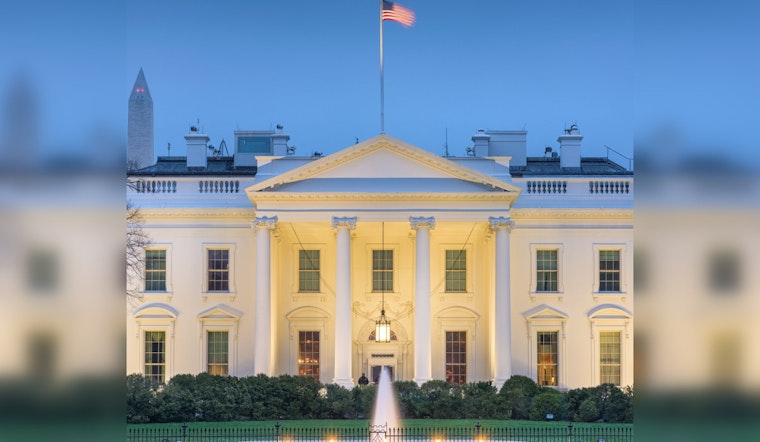
President Joe Biden has made the determination to maintain the national emergency concerning the situation in South Sudan, extending it beyond its April 3rd expiration date. The White House released a letter dated March 26, in which the president communicated the decision to the Speaker of the House and the President of the Senate. Citing the ongoing strife that includes "widespread violence and atrocities, human rights abuses, recruitment and use of child soldiers, attacks on peacekeepers, and the obstruction of humanitarian operations," the extension of this emergency state reflects the administration's assessment of threats to US national security.
In a notice sent to the Federal Register for publication, Biden stated his decision to continue the national emergency, which was originally declared in Executive Order 13664 on April 3, 2014. This move to sustain the United States' stance on South Sudan comes as the region has yet to stabilize sufficiently to allay American concerns. The president emphasized that the circumstances in South Sudan "continue to pose an unusual and extraordinary threat to the national security and foreign policy of the United States." The urgency to act accordingly and extend the emergency status illustrates a persistence to address the complexity of this foreign policy challenge.
The original declaration aimed to address the conflict in South Sudan, which has been mired in civil war since December 2013. Despite various peace agreements and international interventions, true peace has proven elusive due to recurrent clashes between rival factions. The continued use of child soldiers and persistent human rights abuses underscore the gravity of the situation, reinforcing Biden's decision.
In his letter, President Biden delineated the perilous nature of the conflict, a justification that the current administration has to decisively uphold the stance America has taken towards the beleaguered nation. According to the White House's letter, the underlying conditions in South Sudan have not only failed to improve but remain tethered to a cycle of violence that severely impacts the region's stability and security. The notice underscores Biden's assessment: "The situation in and in relation to South Sudan...continues to pose an unusual and extraordinary threat to the national security and foreign policy of the United States."
This continuation of the national emergency status allows the United States to keep in place sanctions and other measures designed to apply pressure on parties in South Sudan to find a lasting resolution to the conflict. By targeting individuals and entities that are believed to be contributing to the crises, the US aims to incentivize peace and the restoration of order in South Sudan, a goal that remains a high priority on the foreign policy agenda.





