

























































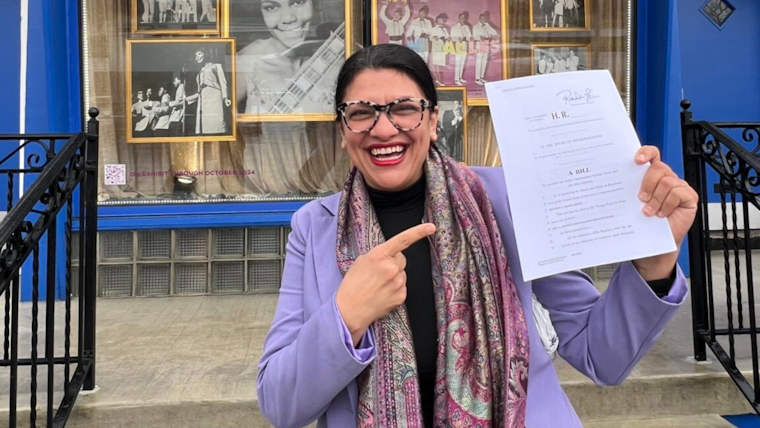
In a bid to amplify artists' earnings from the pocket change of streaming royalties, Michigan Rep. Rashida Tlaib, backed by New York Congressman Jamaal Bowman, has introduced a bill that could lead streaming giants to pay a penny per play. Tlaib's proposal, named the Living Wage for Musicians Act, targets the commonly criticized compensation practices of digital music platforms, famously exemplified by Spotify's meager average payment of $0.003 per stream—putting artists on an unfair financial playing field.
The legislation, co-created with the advocacy of the United Musicians and Allied Workers (UMAW), looks to install a 10% tax on the service providers' non-subscription revenues and weave a minor fee into the monthly subscription costs absorbed by consumers, as Tlaib stated, "Detroit is one of the music capitals of the world, and our artists here have changed the music industry and our culture in so many incredible ways," adding, "It's only right that the people who create the music we love get their fair share so that they can thrive, not just survive," according to a statement obtained by CBS News Detroit. The bill, designed to aid musicians in obtaining sustainable income, also features a cap on artist payouts per song each month to maintain equitable distribution among diverse musical talents.
Detroit artist and WDET radio host Shigeto voiced his endorsement for the bill, "Artists have been taken advantage of since the inception of digital streaming. The Living Wage for Musicians Act gives voice to independent musicians and could potentially change a lot of artists' lives by giving them a sustainable revenue stream," he shared in a comment reported by Congresswoman Rashida Tlaib's Office. The act represents a significant course correction aimed at the towering discrepancy in the music streaming economy—one that has witnessed service providers and labels rake in profits while artists, those responsible for the creation of music, scrape by.
Congressman Bowman, aligned with Tlaib's thrust and representing the culturally rich Bronx—the birthplace of Hip Hop—called out the financial imbalance in the music industry, stating, "Streaming services make billions of dollars a year off the hard work of musicians, but those creators make less than a penny every time we stream their songs," Bowman elucidated, "It is unconscionable that in order to buy a cup of coffee, an artist needs someone to stream their song over a thousand times," as he told Congresswoman Rashida Tlaib's Office. Pushing the conversation towards economic justice, the bill champions an overhaul designed to ensure creators reap a liveable wage through streaming payouts—a foundational step in fostering the music industry that works equally for emerging artists alongside established names.





