

























































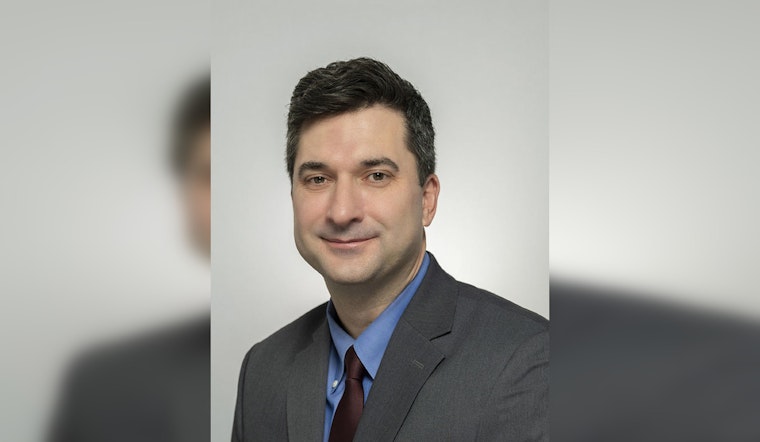
In a move hailed by juvenile justice advocates, Governor JB Pritzker has tapped Robert Vickery to lead the Illinois Department of Juvenile Justice (IDJJ). Vickery, an old hand with nearly two decades in the reform trenches, steps up from his role as Interim Director, according to the state announcement.
Having cut his teeth as a juvenile detention officer and later as a probation officer in DuPage County, Vickery climbed the ranks, bringing a history of advocacy and policy reform to the table. "IDJJ's work to care for justice-involved youth across our state continues to prioritize safety, communities, and family wellbeing," Governor Pritzker stated in announcing the appointment, signaling continued support for progressive measures in dealing with youth offenders. Vickery's appointment is hanging on the requisite senate nod, expected to solidify his office.
Lt. Governor Juliana Stratton lauded Vickery's compassionate approach to IDJJ's operations, emphasizing his role as a bridge-builder. "His ongoing partnership with my office's Justice, Equity, and Opportunity Initiative will help us push Illinois towards becoming a trauma-informed, healing-centered state at every stage of intervention," Stratton told the press. The sentiments echo Vickery's vision of a department that fosters substantial change through essential support and therapeutic services.
Under the tenure as Deputy Director of Programs, Vickery left his mark on IDJJ's progressive overhaul known as the 21st Century Transformation Model. The plan entails a seismic shift toward community-focused interventions and away from the incarceration models of yesteryear. "In recent years, the Illinois Department of Juvenile Justice has been a national leader with respect to innovative and transformative efforts in the youth justice field," noted Michael Umpierre, Director of the Center for Juvenile Justice Reform, asserting that Vickery is prime to continue this trailblazing work.
With a focus on reducing the harm of incarceration, Vickery championed investment in community services and improved victim support, notably in communities bearing the brunt of violence. His contributions specifically ushered in an upgraded youth intake process and fostered closer ties with community partners and familial engagements, as Illinois looks to right the ship one youth at a time.




