

























































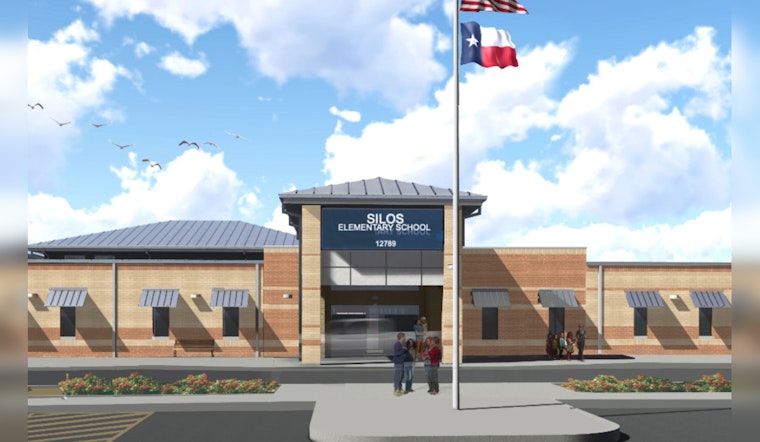
The Medina Valley Independent School District is bustling with construction as a $43 million Silos Elementary School springs up to accommodate the surging student population, a direct result of San Antonio's relentless western expansion, as reported by the San Antonio Report. This institution is said to provide much-needed relief for the overflow in neighboring schools, nestled in a burgeoning community priced between $200,000 and $400,000 a house, the growth of the district has soared past 56% over the past decade.
Medina Valley's map, although predominantly covering the eastern portion of Medina County, also caters to a chunk of western Bexar County, a ground zero for new, densely-packed housing developments, now, a second high school with a $323 million price tag is underway and slated for a 2026 opening, following a $376 million bond approval by voters last year for various district expansions and improvements.
The unveiling of a new zoning map by the district in February has prompted a mixed reaction among parents, with some commending the district's forward-thinking strategy, while others lodged complaints citing transparency issues and the potential upheaval for their children, this sentiment was echoed in a slew of grievances filed using the district's official complaint process, as the San Antonio Report addresses such concerns ranging from program deficits at the new designations to logistical headaches regarding transportation.
While some areas are witnessing a rejigging that leaves parents frustrated and perplexed, Medina Valley ISD Superintendent Scott Caloss defends the strategy, pointing out that the district is trying to anticipate the student distribution for years to come, highlighting the complexity of expanding and managing educational spaces in a landscape practically morphing overnight. According to Caloss, the involved process did not invite public input sessions, but considering the parental pushback, it's something the district might ponder for future decisions.
Families feeling pinched by the relocation plan have the option to request transfers, a temporary salve offered by the district as it juggles 70 such appeals, primarily from fourth-grade students hoping to remain put for their following school year. Caloss confessed that while they would love to grant every request, commitments can only be made closer to the summer when enrollment numbers are definite, parents, such as Brenda Kuehl and Analisa Roland, express the practical impossibilities that lay ahead, particularly when the new marching orders send their children to campuses significantly further from home.
Transportation, an undeniably critical factor in the rezoning calculus, remains a challenge for Medina Valley ISD, which provides daily rides for a significant portion of its students in a fleet of 58 school buses, a task made harder by driver shortages, something Superintendent Caloss admits cannot be promised to every student, highlighting a reality that this district and many others are grappling with in the face of abrupt urban sprawl and a rapidly growing youth demographic.





