

























































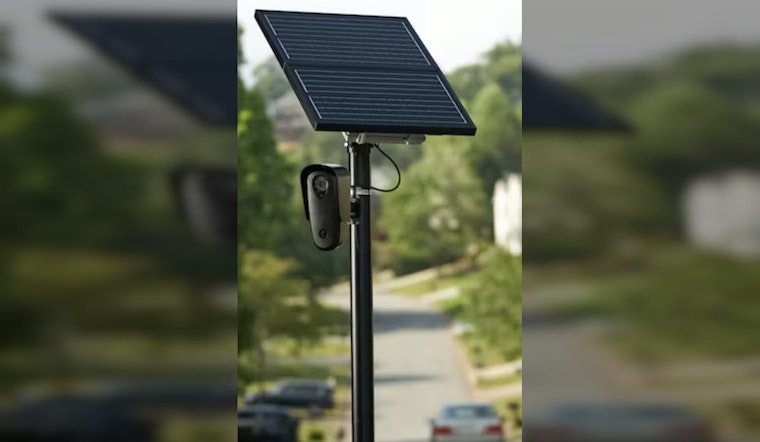
Critics say the move is an invasion of privacy. Nonetheless, San Francisco is ramping up its battle against crime, starting with a new initiative featuring 400 Automated License Plate Readers across the city. Mayor London N. Breed alongside Police Chief Bill Scott and other city officials, announced the plan set to roll out the technology at approximately 100 intersections, reported SF.gov. The move is a step forward in leveraging tech to bolster public safety, a strategy backed by Mayor Breed's Prop E ballot measure.
The cameras, part of a citywide push to decrease crime rates, aim to curb issues from organized retail theft to motor vehicle theft. With the help of a $17.3 million grant from the State's Organized Retail Theft Grant Program, the syncing of infrastructural capabilities between the SFMTA and the Public Utilities Commission made the installation possible. In spite of, the complexity of urban infrastructure, this alliance ensures a seamless integration of the new system into the existing city fabric. The devices are expected to be fully operational within three months, "We are making progress disrupting crimes and sending a message that San Francisco is a safe city for residents, businesses, and visitors," Mayor Breed said, per SF.gov.
The ALPR cameras, manufactured and maintained by Flock Safety, will only be used for purposes strict to license plate recognition and assisting with criminal investigations as articulated by the SFPD – expressly prohibiting use for facial recognition, personal identification information, and will not serve as red light or speed cameras, stated SF.gov. Flock Safety currently supplies ALPR technology nationwide, aiding in a plethora of investigations from burglaries to homicide cases.
The addition of this technology comes as the city marks a downturn in criminal activity, boasting a 32% reduction in property crime, and a 16% reduction in violent crime. Burglaries have plummeted by 17% and robberies by 19%, details that underscore the city's ongoing efforts to promote safety and order. As the crime rates continue to shrivel, the integration of advanced surveillance tech presents a patently modern solution to age-old issues of urban safety and civic responsibility, "These new tools will provide law enforcement critical, actionable, information that will be used to investigate and prosecute criminal cases," District Attorney Brooke Jenkins articulated, as mentioned on SF.gov.





