

























































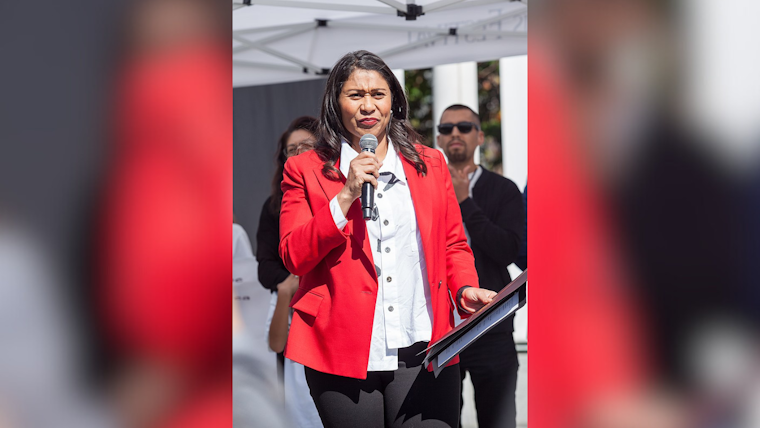
San Franciscans have spoken at the polls, voting to grant more power to the police and to enforce drug treatment for welfare recipients, a clear indication of the majority’s push for a tougher stance on law enforcement and substance abuse issues in the city. Proposition E, a bill supported by San Francisco Republican Party and opposed by the San Francisco Democratic Party, aims to expand the San Francisco Police Department's (SFPD) authority and slash bureaucratic red tape limiting officers’ active duty time. Prop. E passed with approximately 60% of the vote, according to unofficial results provided by KQED. Mayor London Breed hailed the outcome as a critical step toward bolstering public safety in San Francisco, tweeting her gratitude and stating that these measures will "help us build on our work to make San Francisco a safer city for all," as reported by KRON4.
Despite a 30% decrease in property crime and a 4% decrease in violent crime since September of the previous year, sentiments of discontent have simmered among residents over what they perceive as rampant crime and disorder; they eagerly seek strategies that will restore a sense of order and personal security in their neighborhoods, Proposition F also passed with 63% of the vote, endorsing mandatory drug testing and treatment intervention for certain welfare recipients, a divisive policy that aligns city actions with state-level conservatorship expansions signed by Governor Gavin Newsom allowing for involuntary rehab of severe substance users as detailed by a VICE article.
The measures, reflective of a burgeoning consensus that the optics of crime outweigh its reality, also signal an impatience with the status quo of handling substance use disorders, as expressed by the voters' rebuttal of recent reformist approaches in favor of more immediate, if controversial, interventions. Breed's administration argues that while reforms are welcomed, a "balance" is necessary and this balance, embodied in Proposition E would enhance SFPD's tools, including the controversial use of facial recognition technology and surveillance cameras—provisions that the ACLU of Northern California staunchly opposes due to concerns over privacy rights and the potential for abuse.
The financial backing for Proposition E, amassing nearly $850,000 from major players in the tech industry, suggests an intricate web of interests behind the push for expanded policing powers, meanwhile, critics paint Proposition F as a punitive measure that could penalize the city’s vulnerable welfare recipients. Mayor Breed's campaign received a substantial show of confidence through these results, as she continues to steer the city's policies amidst a complex weave of social crises and civil liberty debates, doing so in the lead-up to a consequential reelection bid this November.





