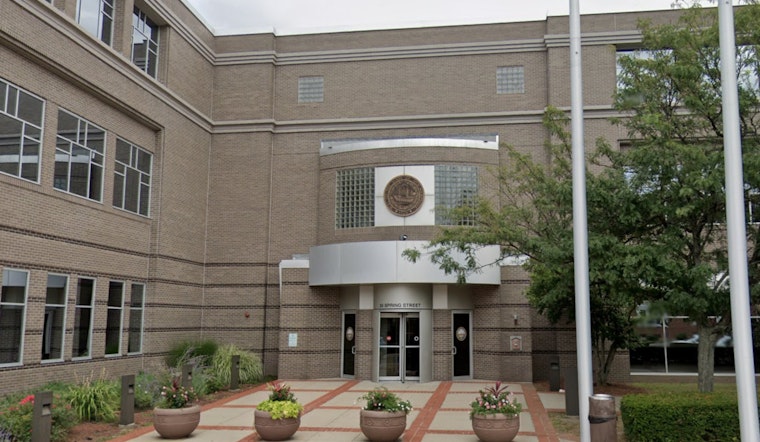
In a somber turn of events, Crystal Sorey, mother to the tragically lost Harmony Montgomery, stepped into a courtroom today, seeking judicial confirmation of what her heart had painfully accepted — that her daughter, last seen alive in 2019, be declared legally deceased. Sorey's emotional plea unfolded at Nashua District Court, as the presiding Judge Beth Kissinger considered the request without immediate resolution, noting the necessity for further documentation, as reported by NBC Boston.
The push to have Harmony recognized in death, a stark marker of both loss and legal necessity, comes on the heels of her father's, Adam Montgomery, conviction—an absence that marked the court proceedings just as his physical absence marked Harmony's final days. Montgomery, who was handed a life sentence metric, chose the silence of a written memo over the echo of his own voice in the courtroom, a choice he mirrored during his trial. Still, the weight of his actions remains irrevocable, with prosecutors contending that he ended young Harmony's life as punishment for childhood accidents, and then went to cruel lengths to hide his deed.
At the core of the probate hearing stood Sorey's lawyer's argument, as stated by WCVB, declaring that given the father's conviction and his grim admission to abusing Harmony's corpse, the declaration of death was not just a mere formality, but a rightful claim. The intent, as articulated by Sorey, extended beyond this confirmation. It was a step paving the way for a wrongful death lawsuit, a crusade for a mother's justice — a voice and a warrior, determined not to let the world forget, not to let the accountable rest at two.
In reflection of this harrowing saga, Harmony's case has trained a critical lens on the child welfare systems that failed her. Massachusetts and New Hampshire have faced intense scrutiny, suggesting that systemic faults did a disservice to the child’s vulnerability, her need for protection. Adam Montgomery's compendium of guilt — extending from second-degree murder to witness tampering — is but a shadow of a deeper failure, one that Sorey contends, involves far more than the jailed pair. Kayla Montgomery, Adam's estranged wife, similarly ensnared in the web of deception surrounding Harmony's fate, contributed her own share of darkness, a testimony to presence, to concealment, to lies.
As the gavel awaits its final decision, to ratify Harmony's fate in the eyes of the law, Judge Kissinger’s courtroom remains a juncture between past tragedy and future advocacy. Sorey has found herself engaged in a battle larger than herself — not only seeking retribution for Harmony but lighting a beacon for the soul of justice that ensures no other child slips into obscurity as her daughter once did.