

























































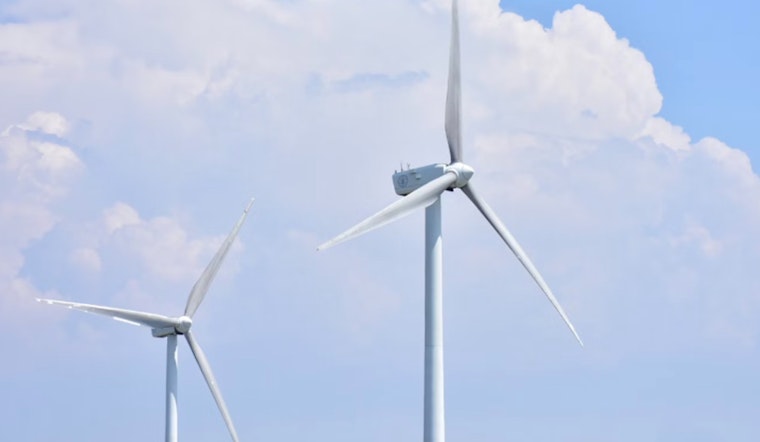
Despite Texas' heavy bet on renewable energy sources, recent weather emergencies have once again put the spotlight on the crucial role of natural gas in the state's power grid. Amidst freezing temperatures, the Electric Reliability Council of Texas, which operates the grid, leaned on gas to meet surging energy demands. With a chilling reminder of past power failures, Texas has upped its game since the 2021 winter disaster by weatherizing its infrastructure, both for fossil fuels and renewable facilities, assuring residents that the lights would stay on this time around, as reported by The New York Times.
However, the rapid growth of wind and solar power, which has placed Texas as the national leader in renewable energy capacity, brings forth concerns regarding the reliability of the power grid during extreme weather conditions. While wind and solar are expanding the Texas grid's reach, they don't negate the necessity for "dispatchable" power sources that can instantly meet demand surges, according to Austin American Statesman.
Energy experts underscore the reality that renewable energy sources are subject to the whims of weather, an unreliable partner for a state with an unyielding need for power. "We cannot build our grid to be reliant on the weather," Texas journalist Robert Bryce told the American-Statesman in an interview. His assertion underlines the inherent unpredictability of wind and solar energy.
Despite leanings towards renewables, lawmakers have targeted incentives to boost the construction of gas-fueled power plants and curb costs for rural renewable projects. The state's legislative moves reflect a commitment to ensuring that fossil fuels remain a part of Texas's energy future, even as the renewable sector booms. "If it’s not going to be coal, people have to look at other sources of always-on, always-available electricity," Thomas J. Pyle, from the Institute for Energy Research stated, as per The New York Times.





