

























































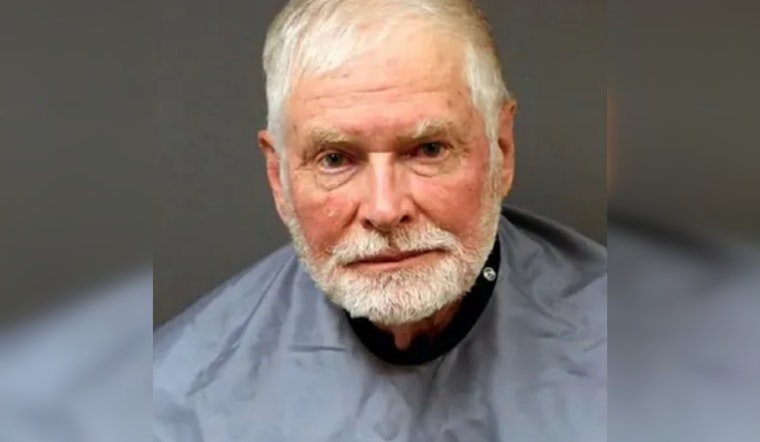
The trial of an Arizona border rancher charged with second-degree murder in the fatal shooting of a migrant is hitting its midpoint, with a unique turn as the jurors may soon get a firsthand look at the scene. George Alan Kelly, 75, is accused of killing 48-year-old Gabriel Cuen-Buitimea on his property near Nogales, Arizona. Judge Thomas Fink of the Santa Cruz County Superior Court has permitted jurors to visit Kelly's ranch, though they have not set a day and time for the visit, as reported by FOX 10 Phoenix.
Denied recently, a request by the news media to accompany the jury on their visit was upheld by Judge Fink, emphasizing the need for jury's fair determination untouched by external factors but stating that it would be too difficult to manage with media present. This decision comes even as such visits to crime scenes by jurors are relatively uncommon in court proceedings. In a similar incident in 2018, during the trial of a U.S. Border Patrol agent, jurors were taken to a scene after dark to understand the conditions better, leading to an acquittal after they failed to reach a verdict on a voluntary manslaughter charge.
According to FOX 10 Phoenix, testimony during the trial included statements from Kelly's wife, who claimed observing two men with rifles passing their house, and another from a Honduran migrant who witnessed Cuen-Buitimea's death. Defending against the charges, Kelly and his team have rejected the narrative of him recklessly firing an AK-47 toward the migrants, contending instead that his actions were born out of fear for his safety.
The gravity of the case is underscored by its timing amidst a heated national debate on border security, which has become a contentious issue in this year's presidential race. President Joe Biden and former President Donald Trump have both made visits to the Texas-Mexico border this year, signaling the weight of the immigration issue to their respective political agendas. Meanwhile, the migrant involved had a history of illegal entries into the U.S., and had been deported as recently as 2016. The court proceedings have been conducted four days a week since March 22 and are expected to wrap up by April 19.
With the trial approaching its end, the outcome may set a significant precedent at a time when border security incidents, such as the one involving Kelly on his nearly 170-acre cattle ranch, are under intense scrutiny. The Mexican consulate has been actively involved, keeping in touch with the victim's family, signifying the case's transnational implications and the delicate balance of land rights, self-defense, and the humanitarian treatment of migrants.




