

























































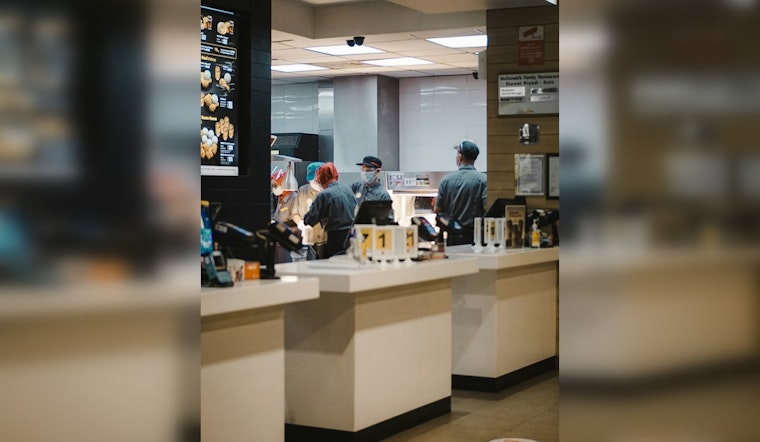
Fast food workers in California are tasting the sweet, savory flavor of financial uplift as the state's new minimum wage law for the industry comes into effect today, with hourly earnings supersizing to a hefty $20. Despite the appetite of workers for better pay, franchise owners are pondering a bitter pill, fearing layoffs, store closures, and a spike in menu prices.
McDonald's, Starbucks, and other large chains with more than 100 outlets nationwide are feeling the pressure of the wage hike, as workers like Maria Hernandez, revel in the increase, telling CBS News Los Angeles, "It would help out so much." On the flip side, businesses warn of potential job cuts, while Governor Gavin Newsom fends off critiques about possibly playing favorites—a wealthy Panera Bread franchisee donor was rumored to be exempt, yet Newsom's office has declared Panera Bread is also on the hook for the increased wages.
Some franchisees like Alex Johnson, who helms 10 Auntie Anne’s Pretzels and Cinnabon locations in the San Francisco Bay Area, are grappling with the financial crunch. According to a report by AP News, Johnson could be forking out an additional $470,000 annually. Price surges at his stores could reach up to 15% and expansions are off the table as he mulls over selling or shuttering his operations. "I have to consider selling and even closing my business," Johnson lamented. The profit margin has become too slim when you factor in, all the other expenses that are also going up."
Meanwhile, industry analysts like Michael Reich from UC Berkeley downplay the threat of job losses, stating to CBS News Los Angeles past wage hikes have not led to significant layoffs. "Employers have had it very good. Profits are high in the industry," he noted, "And so there's also room for them to absorb the wage increases." Fears that higher wages might cook the books and lead to fewer job openings have not materialized in previous cases, signaling it may not be all doom, and gloom for the fast-food sector.
As Californians adjust to their new reality of costlier combo meals, the law originating from negotiations between labor unions and the industry has many eyes locked on its outcomes. With over 500,000 workers potentially benefiting from this regulated raise and upcoming ballot measures that will place the final decision with voters, the saga of California's minimum wage is bound to cook up more debate in the public square.





