

























































After spending more than a decade behind bars for a crime he vehemently denied committing, Anthony Robinson, 31, stepped back into the world a free man on Monday. Shot in late 2012 multiple times in the leg and foot, Robinson had undergone several surgeries that left him dependent on crutches. Despite his condition, he was mistakenly identified as the spritely assailant who shot Kelvin Jemison outside the Washington Park Homes in January 2013, according to the Chicago Sun-Times.
During his trial, Robinson was sentenced to 55 years in prison based on eyewitness accounts, which were later called into question. A friend of Jemison, walking with him when the shooting occurred, retracted his accusation, undermining the prosecution's case. Furthermore, two other witnesses contested that Robinson, known for his shoulder-length dreadlocks, did not match the description of the short-haired gunman they saw, ABC7 Chicago reported.
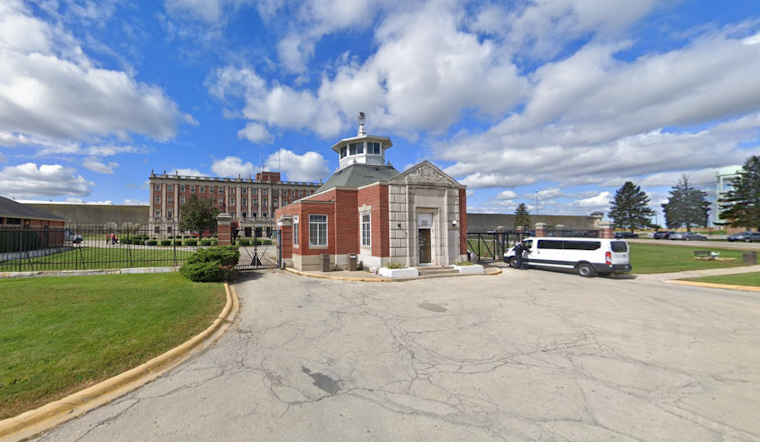
The conviction unraveled following a submission of X-rays showing pins and screws in Robinson's foot and ankle — clear medical evidence that contradicted the claim he could sprint after and shoot the victim. This evidence eventually led an appeals court to revisit and overturn the conviction. With the new medical evidence in hand, prosecutors conceded, resulting in Stateville Correctional Center releasing Robinson, as Judge James Obbish ordered his conviction to be vacated on Monday.
Throughout the drawn-out legal battle and time in confinement, Robinson kept faith in his inevitable exoneration. "He told me that while he was going through the trial and his time in prison, he kept thinking that his whole life had been like this, a very tough life," his attorney Lauren Myerscough-Mueller stated in a poignant reflection shared by the Chicago Sun-Times. "But what kept him going was knowing that he was going to come out from under it, because bad things had happened to him, and he always had come through it."
Moving forward, Robinson intends to obtain a certificate of innocence to formally clear his name. This judicial acknowledgment, Myerscough-Mueller noted, would serve as an official declaration of Robinson's lack of involvement in the crime, echoing a sentiment of legal and personal vindication for the Chicago native.





