

























































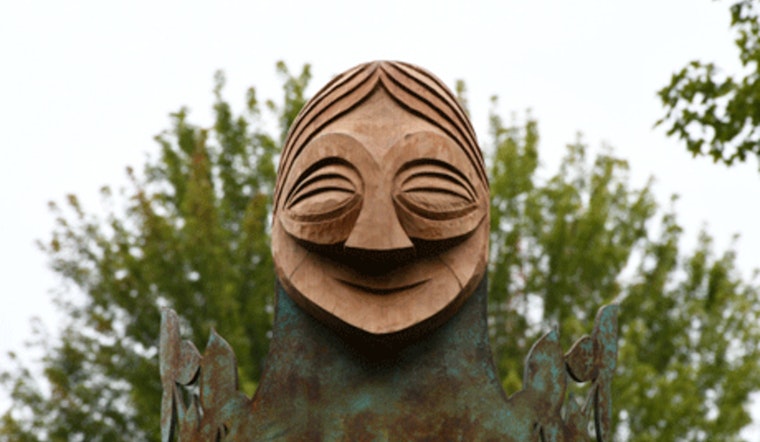
A new figure has taken her silent watch in Hillsboro, Oregon, this time in the form of an evocative sculpture named Wapato Woman which now overlooks the Tualatin River wetlands at Rood Bridge Park, heralding the area's rich indigenous history and natural beauty. Artist Travis Stewart, with support from the Confederated Tribes of Grand Ronde, is behind this mixed-material masterpiece, which is made from red cedar combined with weathering steel, according to the City of Hillsboro's official announcement.
The sculpture's representation of the spirit of wapato is not accidental the female form and the small carved frog nestled in its navel, symbolizing the marsh lands, serve as a focal point as they embody the t'amanowas or spirit power, concepts deeply rooted in native culture and symbolism. It's a gesture that honors the land known to some as Chamámptu or Wapato Place, which was a traditional gathering and nourishing ground for the local tribes, before colonists and concrete changed the landscape.
Visitors strolling through Rood Bridge Park are now greeted by Wapato Woman, whose gaze and stature are fixed in a perpetual tribute to the past and present, commanding attention and respect for the guardian role she serves. The collaboration between local authorities and tribal representatives has resulted in a physical reminder of the indigenous peoples' enduring connection to the land, celebrating an ancient past amidst modern park amenities.
This is not just a public art installation, it is also an active step for the Hillsboro community to embrace and integrate native history in public spaces where stories of indigenous people's contributions and sacrifices can start unfolding beneath the silent but watchful eyes of the Wapato Woman, the connection between the city and the Confederated Tribes of Grand Ronde is reflective of a growing movement to acknowledge and respect native history, culture, in urban development projects.



